


x





Americas Zone
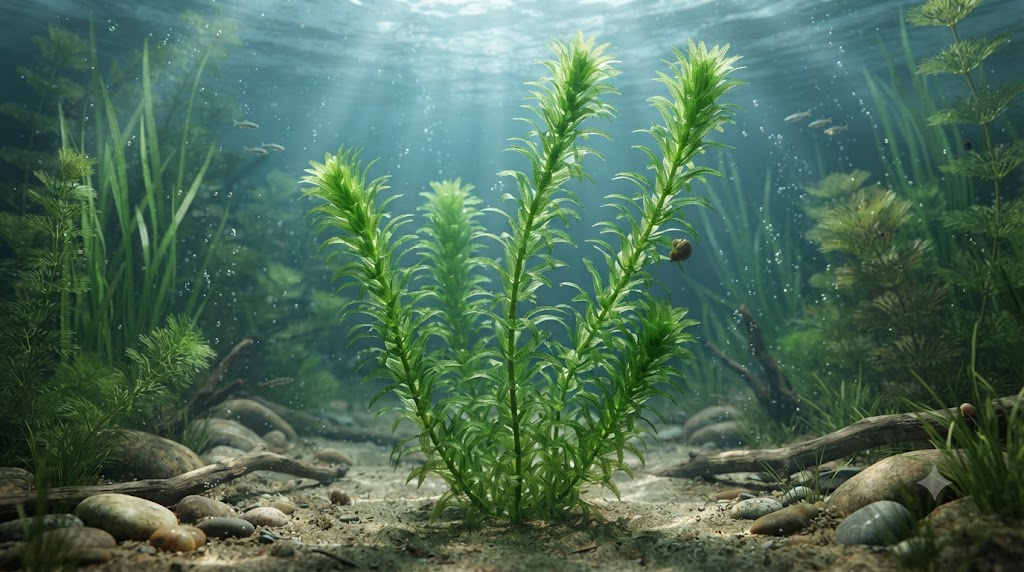
NAME : Brazilian Waterweed
NAME OF THE SPECIE: Brazilian Waterweed
LOCATION : Native to South America, particularly southeastern Brazil, eastern Bolivia, northeastern Argentina and Uruguay. It has been introduced to many regions worldwide.
HABITAT: Freshwater aquatic plant found in ponds, lakes, canals and slow-flowing streams.
HABITAT (15-20 words): Grows submerged in freshwater ponds, lakes and slow-flowing streams, often forming dense underwater stands in shallow or moderately deep water.
WEIGHT: Stems can grow several metres long, often reaching around 1–3 m under favourable conditions. Reliable standard plant weight is unavailable.
DIET: Not applicable as animal food; it produces its own nutrients through photosynthesis.
FOOD: Autotrophic; uses sunlight, carbon dioxide and dissolved nutrients to produce food through photosynthesis.
FOOD & DIET: This submerged plant produces its own food through photosynthesis, using sunlight, carbon dioxide and dissolved nutrients from freshwater.
FACT: It is popular in aquariums because it grows quickly and releases oxygen during photosynthesis. Outside its native range, it can become invasive and form dense mats that affect native species.
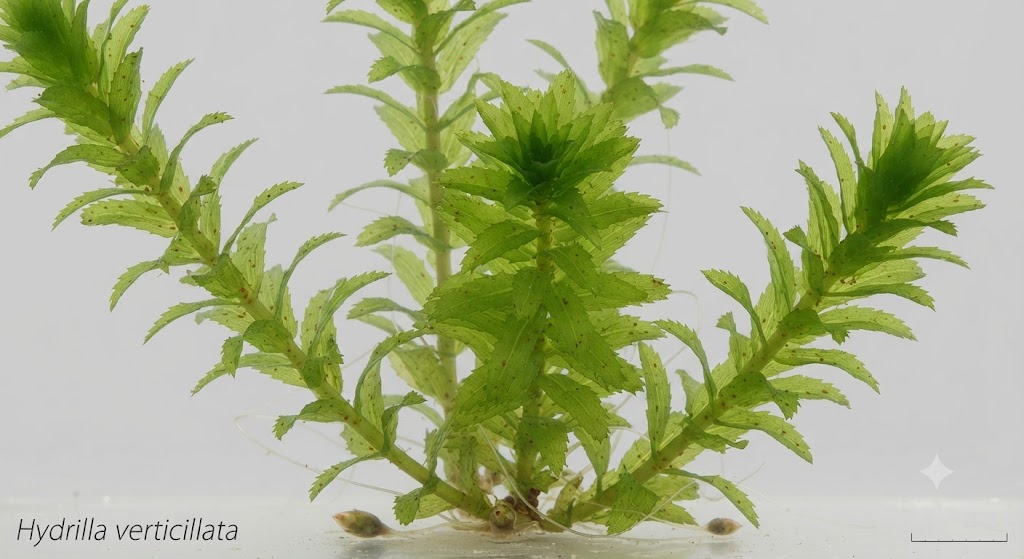
NAME : Hydrilla, Water Thyme
NAME OF THE SPECIE: Hydrilla, Water Thyme
LOCATION : Native across parts of Asia, Africa and Europe; widely distributed in India and introduced to several other regions worldwide.
HABITAT: Freshwater aquatic plant found in lakes, ponds, swamps, rivers and irrigation channels.
HABITAT (15-20 words): Grows submerged in standing or slow-moving freshwater, including lakes, ponds, swamps and irrigation channels, usually at depths up to three metres.
WEIGHT: Stems can grow up to approximately 2–3 metres long. Reliable plant weight information is unavailable.
DIET: Not applicable as animal food; the plant produces its own nutrients.
FOOD: Autotrophic; uses sunlight, carbon dioxide and dissolved nutrients to produce food through photosynthesis.
FOOD & DIET: Hydrilla produces its own food through photosynthesis, using sunlight, carbon dioxide and dissolved nutrients from freshwater environments.
FACT: Its small, serrated leaves grow in whorls around the stem. It can form dense underwater mats and become invasive in some regions.
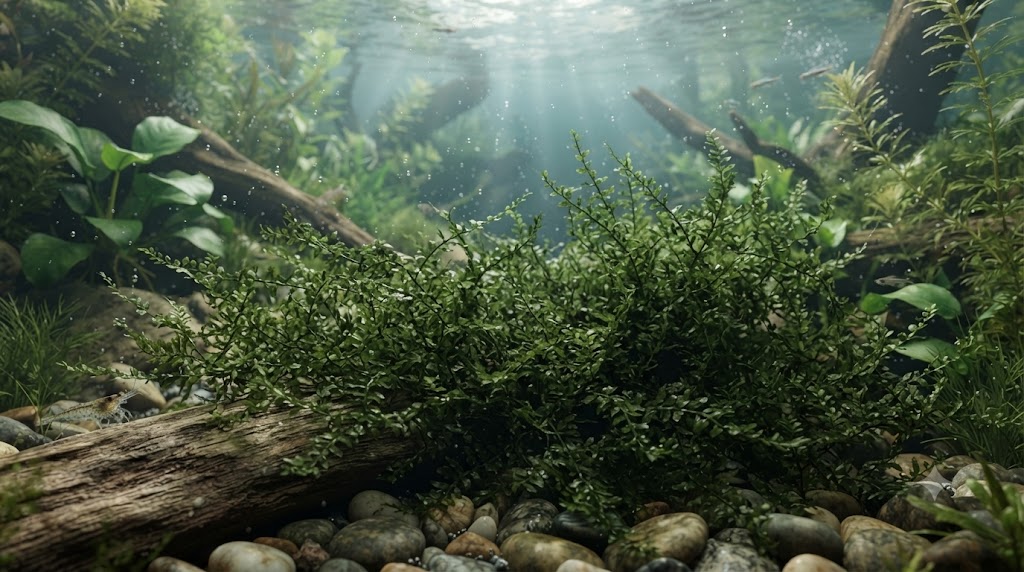
NAME : Java Moss
NAME OF THE SPECIE: Java Moss
LOCATION : Tropical Asia, particularly Southeast Asia and the wider Malesian region.
HABITAT: Grows on wet soil, rocks, tree trunks and submerged surfaces in shallow freshwater habitats.
HABITAT (15-20 words): Grows in humid tropical environments, on wet rocks, wood, soil and submerged surfaces beside shallow streams and freshwater habitats.
WEIGHT: Forms dense, branching green mats. Aquarium references report growth around 5 cm high; reliable weight data are unavailable.
DIET: Not applicable as animal food; it produces its own nutrients.
FOOD: Photosynthetic; uses light, carbon dioxide and dissolved nutrients to produce food.
FOOD & DIET: This moss makes its own food through photosynthesis, absorbing light, carbon dioxide and dissolved nutrients from its surroundings.
FACT: It attaches to rocks and driftwood and provides shelter for small fish and aquatic invertebrates. The aquarium trade often confuses it with Taxiphyllum barbieri, commonly sold as Java Moss.
વૈજ્ઞાનિક નામ : Elodea densa
જાતિનું નામ: Brazilian Waterweed
સ્થાન: દક્ષિણ અમેરિકા તેનું મૂળ વતન છે, ખાસ કરીને દક્ષિણ-પૂર્વ બ્રાઝિલ, પૂર્વ બોલિવિયા, ઉત્તર-પૂર્વ આર્જેન્ટિના અને ઉરુગ્વે. તે વિશ્વના ઘણા વિસ્તારોમાં ફેલાઈ છે.
લંબાઈ અને વજન: અનુકૂળ પરિસ્થિતિમાં તેના દાંડા ઘણીવાર આશરે 1–3 મીટર લાંબા થઈ શકે છે. વિશ્વસનીય પ્રમાણભૂત વજન ઉપલબ્ધ નથી.
ખોરાક: સ્વપોષી; સૂર્યપ્રકાશ, કાર્બન ડાયોક્સાઇડ અને પાણીમાં ઓગળેલા પોષક તત્ત્વોનો ઉપયોગ કરીને ખોરાક બનાવે છે.
ખોરાક (વૈકલ્પિક) આહાર : આ જળવનસ્પતિ સૂર્યપ્રકાશ, કાર્બન ડાયોક્સાઇડ અને મીઠા પાણીમાં ઓગળેલા પોષક તત્ત્વોનો ઉપયોગ કરીને પ્રકાશસંશ્લેષણથી પોતાનો ખોરાક બનાવે છે.
વિશેષતા: આ છોડ ઝડપથી વધે છે અને પ્રકાશસંશ્લેષણ દરમિયાન ઓક્સિજન છોડે છે, તેથી એક્વેરિયમમાં લોકપ્રિય છે. મૂળ વિસ્તારની બહાર તે આક્રમક બની સ્થાનિક પ્રજાતિઓને અસર કરી શકે છે.
વૈજ્ઞાનિક નામ : Hydrilla verticillata
જાતિનું નામ: Hydrilla, Water Thyme
સ્થાન: એશિયા, આફ્રિકા અને યુરોપના કેટલાક વિસ્તારોમાં મૂળ વતની છે. ભારતમાં વ્યાપક રીતે જોવા મળે છે અને વિશ્વના અન્ય વિસ્તારોમાં પણ ફેલાઈ છે.
લંબાઈ અને વજન: તેના દાંડા આશરે 2–3 મીટર સુધી લાંબા થઈ શકે છે. છોડના વિશ્વસનીય વજનની માહિતી ઉપલબ્ધ નથી.
ખોરાક: સ્વપોષી; સૂર્યપ્રકાશ, કાર્બન ડાયોક્સાઇડ અને પાણીમાં ઓગળેલા પોષક તત્ત્વોનો ઉપયોગ કરીને પ્રકાશસંશ્લેષણથી ખોરાક બનાવે છે.
ખોરાક (વૈકલ્પિક) આહાર : હાઇડ્રિલા સૂર્યપ્રકાશ, કાર્બન ડાયોક્સાઇડ અને મીઠા પાણીમાં ઓગળેલા પોષક તત્ત્વોનો ઉપયોગ કરીને પ્રકાશસંશ્લેષણ દ્વારા પોતાનો ખોરાક બનાવે છે.
વિશેષતા: તેના નાના, દાંતાવાળા પાંદડાં દાંડીની આસપાસ ગોળ સમૂહમાં ઊગે છે. તે પાણીની અંદર ગીચ જાળ બનાવી કેટલાક વિસ્તારોમાં આક્રમક બની શકે છે.
વૈજ્ઞાનિક નામ : Vesicularia dubyana
જાતિનું નામ: Java Moss
સ્થાન: ઉષ્ણકટિબંધીય એશિયા, ખાસ કરીને દક્ષિણ-પૂર્વ એશિયા અને વ્યાપક મલેશિયન પ્રદેશ.
લંબાઈ અને વજન: ગીચ, શાખાઓવાળા લીલા સમૂહ બનાવે છે. એક્વેરિયમના સંદર્ભોમાં તેની ઊંચાઈ આશરે 5 સેમી દર્શાવાઈ છે; વિશ્વસનીય વજન ઉપલબ્ધ નથી.
ખોરાક: પ્રકાશસંશ્લેષી; પ્રકાશ, કાર્બન ડાયોક્સાઇડ અને પાણીમાં ઓગળેલા પોષક તત્ત્વોથી ખોરાક બનાવે છે.
ખોરાક (વૈકલ્પિક) આહાર : આ મોસ પ્રકાશસંશ્લેષણ દ્વારા આસપાસના પ્રકાશ, કાર્બન ડાયોક્સાઇડ અને ઓગળેલા પોષક તત્ત્વોનો ઉપયોગ કરીને પોતાનો ખોરાક બનાવે છે.
વિશેષતા: તે ખડકો અને લાકડા સાથે ચોંટીને ઉગે છે અને નાની માછલીઓ તથા જળચર અપૃષ્ઠવંશી જીવોને આશરો આપે છે. વેપારમાં તેને ઘણીવાર Taxiphyllum barbieri સાથે ગૂંચવવામાં આવે છે.
वैज्ञानिक नाम : Elodea densa
जाति का नाम : Brazilian Waterweed
जगह: दक्षिण अमेरिका की मूल निवासी, विशेष रूप से दक्षिण-पूर्वी ब्राज़ील, पूर्वी बोलिविया, उत्तर-पूर्वी अर्जेंटीना और उरुग्वे। इसे दुनिया के कई क्षेत्रों में पहुँचाया गया है।
लंबाई और वजन: अनुकूल परिस्थितियों में इसके तने कई मीटर लंबे, अक्सर लगभग 1–3 मीटर, हो सकते हैं। इसका विश्वसनीय मानक वजन उपलब्ध नहीं है।
खाना: स्वपोषी; सूर्य के प्रकाश, कार्बन डाइऑक्साइड और घुले हुए पोषक तत्वों से भोजन बनाता है।
भोजन (वैकल्पिक) आहार: यह जलमग्न पौधा सूर्य के प्रकाश, कार्बन डाइऑक्साइड और मीठे पानी में घुले पोषक तत्वों से प्रकाश संश्लेषण द्वारा भोजन बनाता है।
विशेषता: यह तेजी से बढ़ता है और प्रकाश संश्लेषण के दौरान ऑक्सीजन छोड़ता है, इसलिए एक्वेरियम में लोकप्रिय है। अपने मूल क्षेत्र से बाहर यह आक्रामक बनकर स्थानीय प्रजातियों को प्रभावित कर सकता है।
वैज्ञानिक नाम : Hydrilla verticillata
जाति का नाम : Hydrilla, Water Thyme
जगह: एशिया, अफ्रीका और यूरोप के कुछ हिस्सों में मूल रूप से पाई जाती है; भारत में व्यापक रूप से वितरित है और अन्य क्षेत्रों में भी फैलाई गई है।
लंबाई और वजन: इसके तने लगभग 2–3 मीटर तक लंबे हो सकते हैं। पौधे के विश्वसनीय वजन की जानकारी उपलब्ध नहीं है।
खाना: स्वपोषी; सूर्य के प्रकाश, कार्बन डाइऑक्साइड और घुले पोषक तत्वों से प्रकाश संश्लेषण द्वारा भोजन बनाता है।
भोजन (वैकल्पिक) आहार: हाइड्रिला सूर्य के प्रकाश, कार्बन डाइऑक्साइड और मीठे पानी में घुले पोषक तत्वों का उपयोग करके प्रकाश संश्लेषण से भोजन बनाता है।
विशेषता: इसकी छोटी, दाँतेदार पत्तियाँ तने के चारों ओर समूहों में उगती हैं। यह पानी के भीतर घनी परतें बनाकर कुछ क्षेत्रों में आक्रामक हो सकता है।
वैज्ञानिक नाम : Vesicularia dubyana
जाति का नाम : Java Moss
जगह: उष्णकटिबंधीय एशिया, विशेष रूप से दक्षिण-पूर्व एशिया और व्यापक मलेशियाई क्षेत्र।
लंबाई और वजन: घने, शाखायुक्त हरे गुच्छे बनाती है। एक्वेरियम संदर्भों में इसकी ऊँचाई लगभग 5 सेमी बताई गई है; विश्वसनीय वजन उपलब्ध नहीं है।
खाना: प्रकाश संश्लेषी; प्रकाश, कार्बन डाइऑक्साइड और घुले हुए पोषक तत्वों से भोजन बनाती है।
भोजन (वैकल्पिक) आहार: यह मॉस प्रकाश संश्लेषण द्वारा अपने आसपास से प्रकाश, कार्बन डाइऑक्साइड और घुले पोषक तत्व लेकर भोजन बनाती है।
विशेषता: यह चट्टानों और लकड़ी से चिपककर उगती है तथा छोटी मछलियों और जलीय अकशेरुकी जीवों को आश्रय देती है। इसे अक्सर Taxiphyllum barbieri के साथ भ्रमित किया जाता है।