


x





Oceans of the World Zone
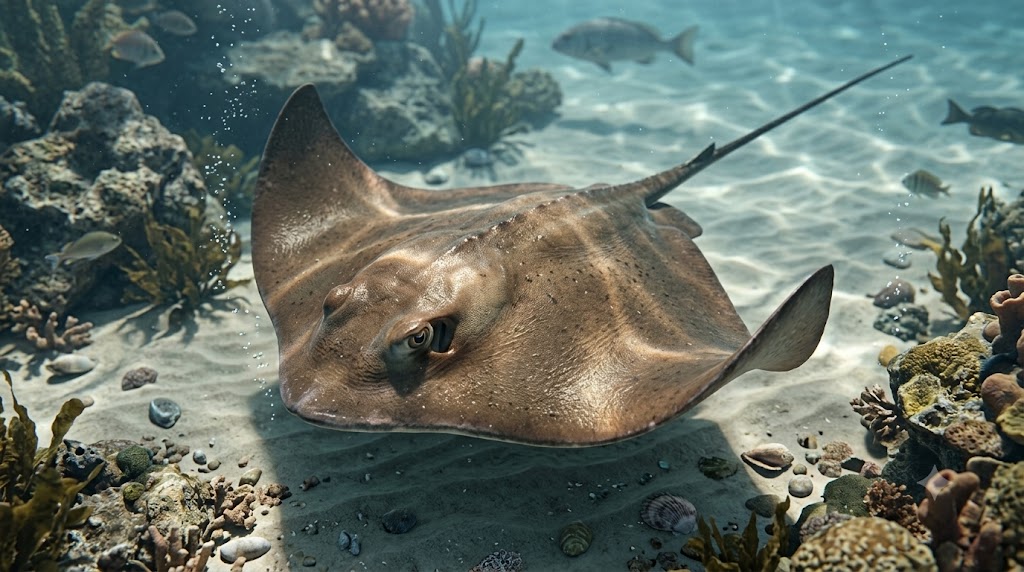
NAME : Asian Arowana / Asian Bonytongue / Dragon Fish
NAME OF THE SPECIE: Asian Arowana / Asian Bonytongue / Dragon Fish
LOCATION : Southeast Asia, including southern Myanmar, Thailand, the Malay Peninsula, and parts of Indonesia
HABITAT: Freshwater blackwater streams, forest-covered streams, peat-associated waters, and slow-flowing tropical freshwater habitats.
HABITAT (15-20 words): Lives mainly in tropical freshwater blackwater streams, forest rivers, peat-associated waters, and calm, slow-flowing habitats.
WEIGHT: Up to 90 cm; weight varies with age and individual size
DIET: Insects, small fish and smaller aquatic or terrestrial vertebrates
FOOD: Insects, small fish and smaller aquatic or terrestrial vertebrates
FOOD & DIET: Young fish mainly eat surface insects, while adults feed on fish and smaller vertebrates.
FACT: Asian Arowana is a mouthbrooder; the male carries developing young in his mouth after hatching.
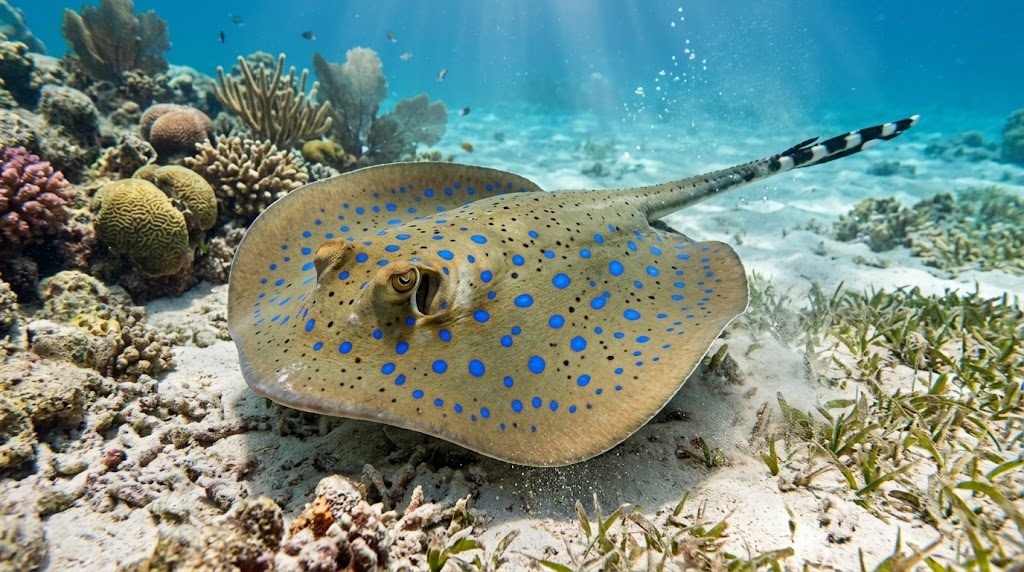
NAME : Masked Bluespotted Ray
NAME OF THE SPECIE: Masked Bluespotted Ray
LOCATION : Indo-Pacific region
HABITAT: Shallow tropical marine waters, sandy seabeds, coral reefs, and lagoon areas.
HABITAT (15-20 words): This ray is commonly found in shallow tropical marine waters, sandy bottoms, and areas near coral reefs.
WEIGHT: Disc width can reach approximately 30–40 cm; weight varies depending on age and environmental conditions.
DIET: Small fish, shrimp, crabs, worms, and other small bottom-dwelling marine organisms.
FOOD: Small fish, shrimp, crabs, worms, and other small bottom-dwelling marine organisms.
FOOD & DIET: It searches the seabed for shrimp, crabs, worms, small fish, and other bottom-dwelling marine organisms.
FACT: Its distinctive blue spots and mask-like facial markings are characteristic features used to identify this ray.
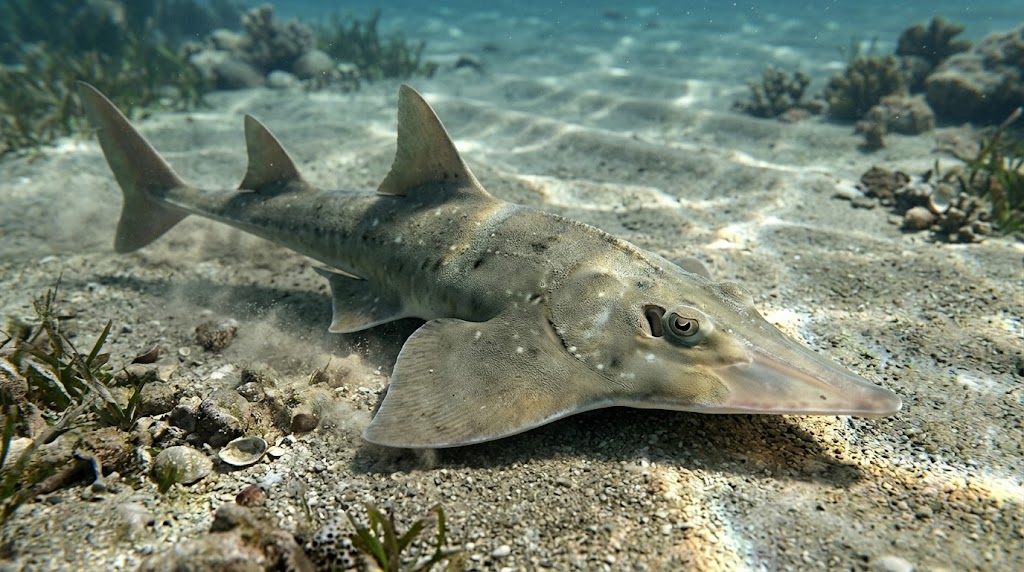
NAME : Common Guitarfish
NAME OF THE SPECIE: Common Guitarfish
LOCATION : Eastern Atlantic Ocean and Mediterranean Sea
HABITAT: Found in shallow marine waters, sandy and muddy seabeds, and coastal areas.
HABITAT (15-20 words): This guitarfish generally inhabits shallow marine waters with sandy and muddy seabeds along coastal areas.
WEIGHT: Usually grows to around 1 metre, with larger individuals potentially exceeding 1.5 metres.
DIET: Small fish, shrimp, crabs, molluscs, and other small bottom-dwelling organisms.
FOOD: Small fish, shrimp, crabs, molluscs, and other small bottom-dwelling organisms.
FOOD & DIET: It searches the seabed for small fish, shrimp, crabs, molluscs, and other small marine organisms.
FACT: Its distinctive body shape resembles a guitar, which gives this species its common name.
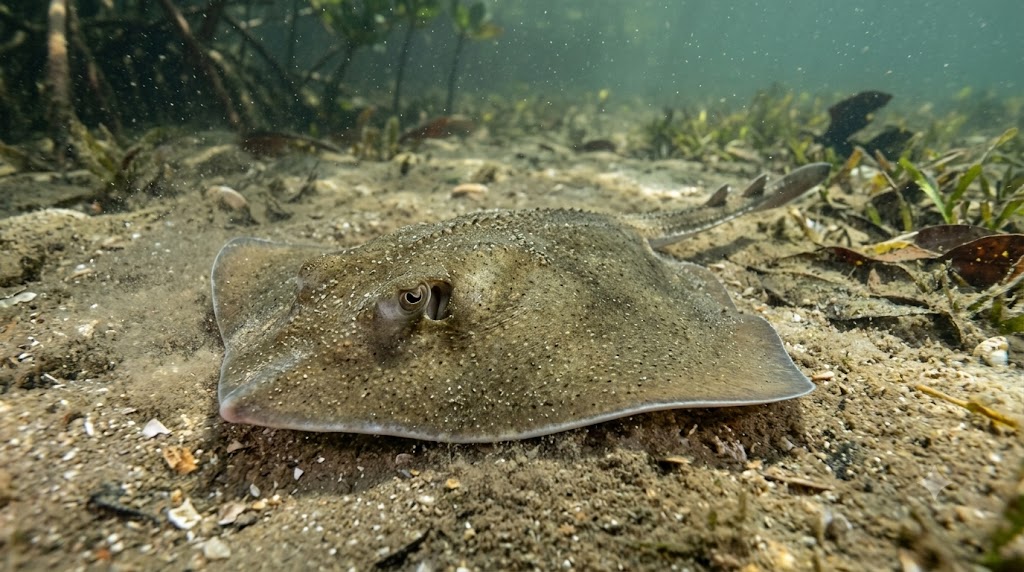
NAME : Indian Butterfly Ray
NAME OF THE SPECIE: Indian Butterfly Ray
LOCATION : Indian Ocean, particularly coastal waters of the western and northern Indian Ocean
HABITAT: Found in shallow marine waters, sandy and muddy seabeds, and coastal areas.
HABITAT (15-20 words): This ray generally inhabits shallow coastal waters with sandy or muddy seabeds and sheltered marine environments.
WEIGHT: Disc width is generally around 30–40 cm; weight varies according to size and age.
DIET: Small fish, shrimp, crabs, worms, and other small marine organisms.
FOOD: Small fish, shrimp, crabs, worms, and other small marine organisms.
FOOD & DIET: It forages along the seabed for shrimp, crabs, worms, small fish, and other marine organisms.
FACT: Its broad, flattened body and wing-like pectoral fins give it a distinctive butterfly-like appearance.
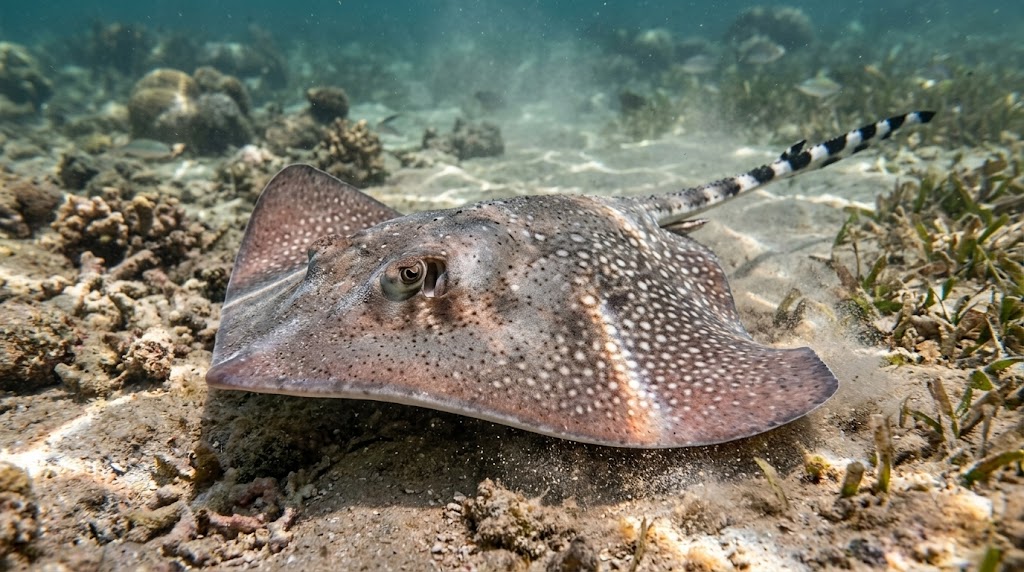
NAME : Gerrard's Whipray
NAME OF THE SPECIE: Gerrard's Whipray
LOCATION : Western Indian Ocean, including coastal waters from the Arabian Sea to southern Africa.
HABITAT: Tropical and subtropical marine waters, sandy or muddy seabeds, and coastal areas.
HABITAT (15-20 words): This species generally inhabits shallow marine waters near sandy or muddy seabeds along coastal environments.
WEIGHT: The disc width can reach approximately 1 metre; weight varies depending on age and body size.
DIET: Small fish, shrimp, crabs, molluscs, and other small bottom-dwelling marine organisms.
FOOD: Small fish, shrimp, crabs, molluscs, and other small bottom-dwelling marine organisms.
FOOD & DIET: It searches the seabed for small fish, shrimp, crabs, molluscs, and other small marine organisms.
FACT: Its rounded body markings and long whip-like tail are distinctive features that help identify this species.
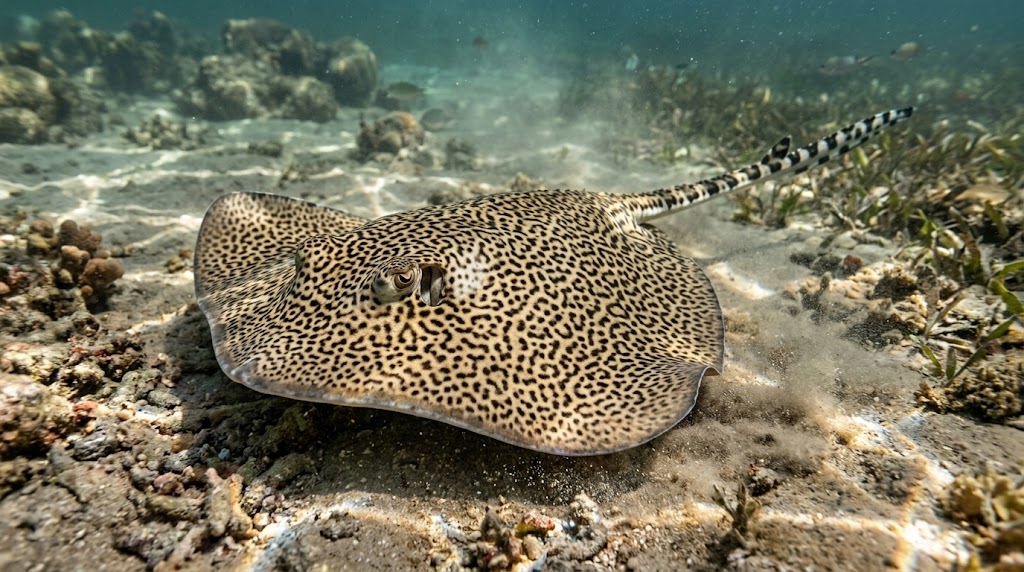
NAME : Honeycomb Whipray
NAME OF THE SPECIE: Honeycomb Whipray
LOCATION : Tropical marine waters of the Indian Ocean and western Pacific Ocean.
HABITAT: Shallow marine waters, sandy and muddy seabeds, bays, lagoons, and coastal areas.
HABITAT (15-20 words): This ray commonly occurs in shallow tropical marine waters near sandy or muddy seabeds and coastal habitats.
WEIGHT: Disc width can exceed 1 metre; weight varies depending on the individual's age and body size.
DIET: Small fish, shrimp, crabs, molluscs, and other small bottom-dwelling marine organisms.
FOOD: Small fish, shrimp, crabs, molluscs, and other small bottom-dwelling marine organisms.
FOOD & DIET: It searches the seabed for small fish, shrimp, crabs, molluscs, and other small marine organisms.
FACT: Its distinctive honeycomb-like body pattern gives this ray its common name and helps distinguish it from related species.
વૈજ્ઞાનિક નામ : Scleropages formosus
જાતિનું નામ: એશિયન અરોવાના / એશિયન બોનીટંગ / ડ્રેગન ફિશ
સ્થાન: દક્ષિણ-પૂર્વ એશિયા, જેમાં દક્ષિણ મ્યાનમાર, થાઈલેન્ડ, મલય દ્વીપકલ્પ અને ઇન્ડોનેશિયાના કેટલાક વિસ્તારોનો સમાવેશ થાય છે
લંબાઈ અને વજન: મહત્તમ આશરે 90 સેમી; વજન ઉંમર અને વ્યક્તિગત કદ પ્રમાણે બદલાય છે
ખોરાક: જંતુઓ, નાની માછલીઓ અને નાના જળચર તથા ભૂમિચર જીવો
ખોરાક (વૈકલ્પિક) આહાર : નાની માછલીઓ મુખ્યત્વે પાણીની સપાટી પરના જંતુઓ ખાય છે, જ્યારે પુખ્ત માછલીઓ માછલી અને નાના જીવો ખાય છે.
વિશેષતા: આ મોઢામાં બચ્ચાં ઉછેરતી માછલી છે; ઇંડામાંથી બહાર આવ્યા પછી નર પોતાના મોઢામાં બચ્ચાંને રાખે છે.
વૈજ્ઞાનિક નામ : Neotrygon kuhlii
જાતિનું નામ: માસ્ક્ડ બ્લુસ્પોટેડ રે
સ્થાન: ઇન્ડો-પેસિફિક પ્રદેશ
લંબાઈ અને વજન: ડિસ્કની પહોળાઈ સામાન્ય રીતે આશરે 30–40 સેમી સુધી હોય છે; વજન ઉંમર અને પર્યાવરણ પ્રમાણે બદલાય છે.
ખોરાક: નાની માછલીઓ, ઝીંગા, કરચલા, કૃમિઓ અને સમુદ્રતળમાં રહેતા નાના જળચર જીવો.
ખોરાક (વૈકલ્પિક) આહાર : આ રે સમુદ્રતળમાં ખોરાક શોધીને ઝીંગા, કરચલા, કૃમિઓ અને અન્ય નાના જળચર જીવો ખાય છે.
વિશેષતા: તેના શરીર પરના વિશિષ્ટ વાદળી ટપકાં અને ચહેરા પરની માસ્ક જેવી નિશાનીઓ તેની ઓળખ માટે મહત્વપૂર્ણ છે.
વૈજ્ઞાનિક નામ : Rhinobatos rhinobatos
જાતિનું નામ: સામાન્ય ગિટારફિશ
સ્થાન: પૂર્વ એટલાન્ટિક મહાસાગર અને ભૂમધ્ય સમુદ્ર
લંબાઈ અને વજન: સામાન્ય રીતે આશરે 1 મીટર સુધી વધે છે, જોકે મોટા વ્યક્તિઓ 1.5 મીટરથી વધુ પણ થઈ શકે છે.
ખોરાક: નાની માછલીઓ, ઝીંગા, કરચલા, મોલસ્ક અને સમુદ્રતળમાં રહેતા અન્ય નાના જીવો.
ખોરાક (વૈકલ્પિક) આહાર : તે સમુદ્રતળમાં ખોરાક શોધીને નાની માછલીઓ, ઝીંગા, કરચલા અને અન્ય નાના જીવો ખાય છે.
વિશેષતા: તેનું શરીર ગિટાર જેવા આકારનું હોવાથી તેને ગિટારફિશ કહેવામાં આવે છે.
વૈજ્ઞાનિક નામ : Brevitrygon imbricata
જાતિનું નામ: ભારતીય બટરફ્લાય રે
સ્થાન: ભારતીય મહાસાગર અને પશ્ચિમ તથા ઉત્તર હિંદ મહાસાગરના દરિયાકાંઠાના વિસ્તારો
લંબાઈ અને વજન: ડિસ્કની પહોળાઈ સામાન્ય રીતે આશરે 30–40 સેમી સુધી હોય છે; વજન કદ અને ઉંમર પ્રમાણે બદલાય છે.
ખોરાક: નાની માછલીઓ, ઝીંગા, કરચલા, કૃમિઓ અને અન્ય નાના સમુદ્રી જીવો.
ખોરાક (વૈકલ્પિક) આહાર : તે સમુદ્રતળમાં ખોરાક શોધીને ઝીંગા, કરચલા, કૃમિઓ અને અન્ય નાના જળચર જીવો ખાય છે.
વિશેષતા: તેના શરીરનો પહોળો, ચપટો આકાર અને પાંખ જેવા પેક્ટોરલ ફિન્સ તેને બટરફ્લાય જેવા દેખાવ આપે છે.
વૈજ્ઞાનિક નામ : Maculabatis gerrardi
જાતિનું નામ: જેરાર્ડનું વ્હિપરે
સ્થાન: પશ્ચિમ હિંદ મહાસાગર, જેમાં અરબી સમુદ્રથી લઈને દક્ષિણ આફ્રિકા સુધીના દરિયાઈ વિસ્તારોનો સમાવેશ થાય છે.
લંબાઈ અને વજન: ડિસ્કની પહોળાઈ આશરે 1 મીટર સુધી પહોંચી શકે છે; વજન ઉંમર અને કદ પ્રમાણે બદલાય છે.
ખોરાક: નાની માછલીઓ, ઝીંગા, કરચલા, મોલસ્ક અને સમુદ્રતળમાં રહેતા અન્ય નાના જીવો.
ખોરાક (વૈકલ્પિક) આહાર : તે સમુદ્રતળમાં ખોરાક શોધીને નાની માછલીઓ, ઝીંગા, કરચલા અને અન્ય નાના જળચર જીવો ખાય છે.
વિશેષતા: તેના શરીર પરના ગોળાકાર ડાઘ અને લાંબી ચાબુક જેવી પૂંછડી તેની ઓળખમાં મદદ કરે છે.
વૈજ્ઞાનિક નામ : Maculabatis uarnak
જાતિનું નામ: હનીકોમ્બ વ્હિપરે
સ્થાન: હિંદ મહાસાગર અને પશ્ચિમ પ્રશાંત મહાસાગરના ઉષ્ણકટિબંધીય દરિયાઈ વિસ્તારો.
લંબાઈ અને વજન: ડિસ્કની પહોળાઈ સામાન્ય રીતે 1 મીટરથી વધુ થઈ શકે છે; વજન કદ અને ઉંમર પ્રમાણે બદલાય છે.
ખોરાક: નાની માછલીઓ, ઝીંગા, કરચલા, મોલસ્ક અને સમુદ્રતળમાં રહેતા અન્ય નાના જીવો.
ખોરાક (વૈકલ્પિક) આહાર : તે સમુદ્રતળમાં ખોરાક શોધીને નાની માછલીઓ, ઝીંગા, કરચલા અને અન્ય નાના જળચર જીવો ખાય છે.
વિશેષતા: તેના શરીર પરની જાળ જેવી પેટર્ન તેને હનીકોમ્બ જેવી દેખાવ આપે છે અને તેની ઓળખ સરળ બનાવે છે.
वैज्ञानिक नाम : Scleropages formosus
जाति का नाम : एशियन अरोवाना / एशियन बोनीटंग / ड्रैगन फिश
जगह: दक्षिण-पूर्व एशिया, जिसमें दक्षिणी म्यांमार, थाईलैंड, मलय प्रायद्वीप और इंडोनेशिया के कुछ क्षेत्र शामिल हैं
लंबाई और वजन: अधिकतम लगभग 90 सेमी; वजन उम्र और व्यक्तिगत आकार के अनुसार अलग-अलग होता है
खाना: कीड़े, छोटी मछलियाँ तथा छोटे जलीय और स्थलीय जीव
भोजन (वैकल्पिक) आहार: छोटी मछलियाँ मुख्य रूप से पानी की सतह के कीड़े खाती हैं, जबकि वयस्क मछलियाँ और छोटे जीव खाते हैं।
विशेषता: यह माउथब्रूडर मछली है; अंडों से निकलने के बाद नर अपने मुँह में बच्चों की देखभाल करता है।
वैज्ञानिक नाम : Neotrygon kuhlii
जाति का नाम : मास्क्ड ब्लूस्पॉटेड रे
जगह: इंडो-पैसिफिक क्षेत्र
लंबाई और वजन: शरीर की डिस्क की चौड़ाई लगभग 30–40 सेमी तक हो सकती है; वजन उम्र और पर्यावरण के अनुसार बदलता है।
खाना: छोटी मछलियाँ, झींगे, केकड़े, कीड़े और समुद्र की तलहटी में रहने वाले छोटे जलीय जीव।
भोजन (वैकल्पिक) आहार: यह समुद्र की तलहटी में झींगे, केकड़े, कीड़े, छोटी मछलियाँ और अन्य छोटे जलीय जीव खोजकर खाता है।
विशेषता: इसके शरीर पर मौजूद विशिष्ट नीले धब्बे और चेहरे पर मास्क जैसी आकृति इसकी पहचान की प्रमुख विशेषताएँ हैं।
वैज्ञानिक नाम : Rhinobatos rhinobatos
जाति का नाम : सामान्य गिटारफिश
जगह: पूर्वी अटलांटिक महासागर और भूमध्य सागर
लंबाई और वजन: सामान्यतः लगभग 1 मीटर तक बढ़ती है, जबकि बड़े जीव 1.5 मीटर से अधिक लंबे हो सकते हैं।
खाना: छोटी मछलियाँ, झींगे, केकड़े, मोलस्क और समुद्र की तलहटी में रहने वाले अन्य छोटे जीव।
भोजन (वैकल्पिक) आहार: यह समुद्र की तलहटी में छोटी मछलियाँ, झींगे, केकड़े, मोलस्क और अन्य छोटे समुद्री जीव खोजकर खाती है।
विशेषता: इसके शरीर का विशिष्ट आकार गिटार जैसा दिखाई देता है, इसलिए इसे गिटारफिश कहा जाता है।
वैज्ञानिक नाम : Brevitrygon imbricata
जाति का नाम : भारतीय बटरफ्लाई रे
जगह: हिंद महासागर, विशेष रूप से पश्चिमी और उत्तरी हिंद महासागर के तटीय क्षेत्र
लंबाई और वजन: शरीर की डिस्क की चौड़ाई सामान्यतः लगभग 30–40 सेमी तक होती है; वजन आकार और उम्र के अनुसार बदलता है।
खाना: छोटी मछलियाँ, झींगे, केकड़े, कीड़े और अन्य छोटे समुद्री जीव।
भोजन (वैकल्पिक) आहार: यह समुद्र की तलहटी में झींगे, केकड़े, कीड़े, छोटी मछलियाँ और अन्य समुद्री जीव खोजकर खाती है।
विशेषता: इसका चौड़ा, चपटा शरीर और पंख जैसे पेक्टोरल फिन इसे तितली जैसा विशिष्ट रूप देते हैं।
वैज्ञानिक नाम : Maculabatis gerrardi
जाति का नाम : जेरार्ड्स व्हिपरे
जगह: पश्चिमी हिंद महासागर, जिसमें अरब सागर से लेकर दक्षिणी अफ्रीका तक के तटीय समुद्री क्षेत्र शामिल हैं।
लंबाई और वजन: इसके शरीर की डिस्क की चौड़ाई लगभग 1 मीटर तक हो सकती है; वजन उम्र और आकार के अनुसार बदलता है।
खाना: छोटी मछलियाँ, झींगे, केकड़े, मोलस्क और समुद्र की तलहटी में रहने वाले अन्य छोटे जीव।
भोजन (वैकल्पिक) आहार: यह समुद्र की तलहटी में छोटी मछलियाँ, झींगे, केकड़े, मोलस्क और अन्य छोटे समुद्री जीव खोजकर खाती है।
विशेषता: इसके शरीर पर गोलाकार धब्बे और लंबी चाबुक जैसी पूँछ इसकी पहचान की प्रमुख विशेषताएँ हैं।
वैज्ञानिक नाम : Maculabatis uarnak
जाति का नाम : हनीकॉम्ब व्हिपरे
जगह: हिंद महासागर और पश्चिमी प्रशांत महासागर के उष्णकटिबंधीय समुद्री क्षेत्र।
लंबाई और वजन: इसके शरीर की डिस्क की चौड़ाई 1 मीटर से अधिक हो सकती है; वजन उम्र और आकार के अनुसार बदलता है।
खाना: छोटी मछलियाँ, झींगे, केकड़े, मोलस्क और समुद्र की तलहटी में रहने वाले अन्य छोटे जीव।
भोजन (वैकल्पिक) आहार: यह समुद्र की तलहटी में छोटी मछलियाँ, झींगे, केकड़े, मोलस्क और अन्य छोटे समुद्री जीव खोजकर खाती है।
विशेषता: इसके शरीर पर जाल जैसी विशिष्ट आकृति होती है, जो इसे मधुमक्खी के छत्ते जैसी पहचान देती है।