


x





Oceans of the World Zone
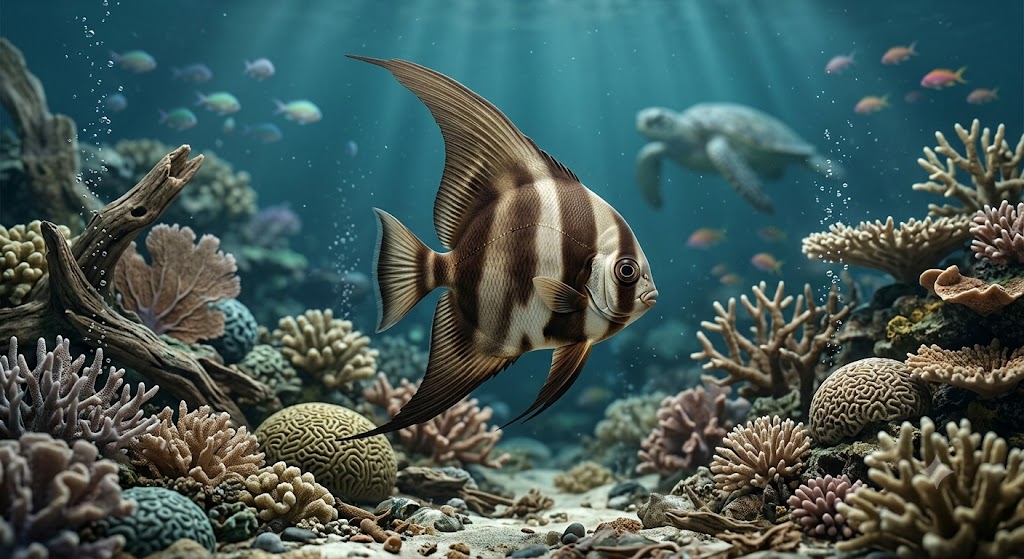
NAME : Longfin Batfish
NAME OF THE SPECIE: Longfin Batfish
LOCATION : Native to the Indo-West Pacific. Its natural range extends from the Red Sea and East Africa through the Indian Ocean and Southeast Asia to Papua New Guinea, with its range extending north toward the Ryukyu Islands and south toward Australia
HABITAT: Teira Batfish is a marine, tropical, reef-associated fish. Juveniles commonly occur in shallow protected areas, while adults can inhabit lagoons, sheltered bays, coastal reefs and offshore reefs.
HABITAT (15-20 words): Lives in tropical marine reefs, lagoons, sheltered bays and coastal waters, using structures and vegetation for protection.
WEIGHT: Maximum recorded length: approximately 70 cm total length (TL).
DIET: Small marine animals and other animal-based food organisms.
FOOD: Teira Batfish is primarily a carnivorous marine fish. It actively feeds on small animal prey in its reef and coastal environment. Its diet differs from some other batfish that consume greater quantities of algae and plant material.
FOOD & DIET: Primarily a carnivore, feeding actively on small marine animals in reefs, lagoons and other coastal habitats.
FACT: Teira Batfish and Longfin Batfish refer to the same species: Platax teira. It belongs to the Ephippidae family, which includes batfishes and spadefishes. It can reach an impressive 70 cm total length. Juveniles have a very deep, laterally compressed body and elongated fins, giving them a distinctive appearance. Young fish can associate with floating debris, which provides camouflage and protection. Adults may occur around shipwrecks, reefs and other underwater structures. Large adults can develop a distinctive bony prominence on the forehead. Its body is strongly compressed from side to side, giving it the characteristic batfish shape. The species undergoes a major change in appearance as it grows from juvenile to adult.
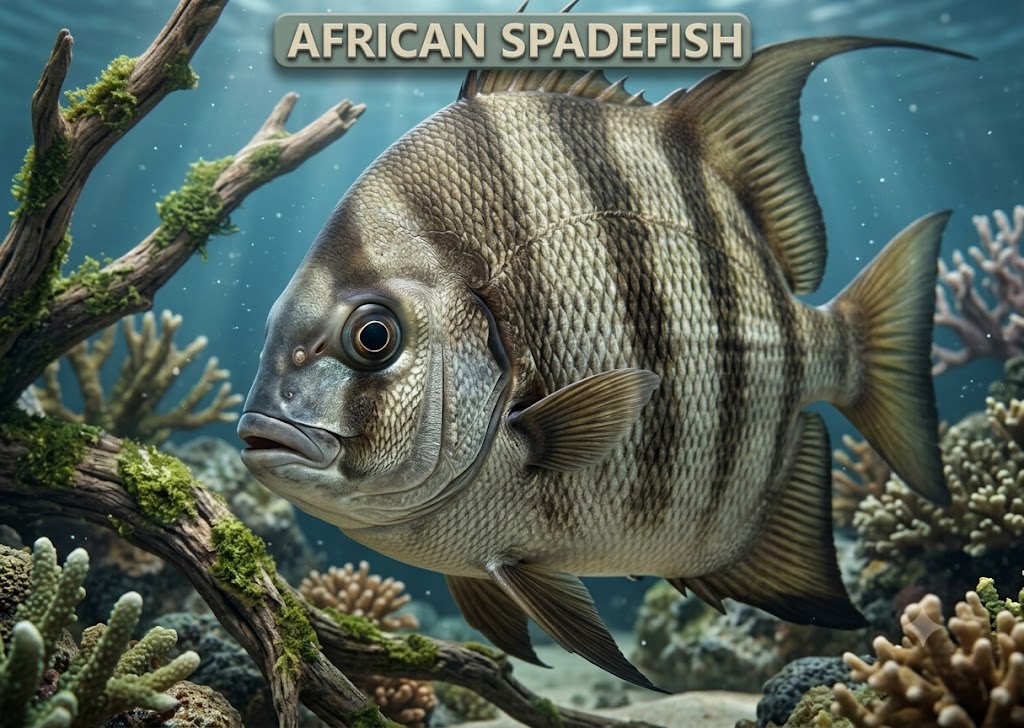
NAME : African Spadefish
NAME OF THE SPECIE: African Spadefish
LOCATION : The African Spadefish is native to the Indian Ocean. Its documented range extends from southern Africa and South Africa's Algoa Bay eastward to the Andaman and Nicobar Islands, including waters around India and Sri Lanka.
HABITAT: It is a tropical marine, reef-associated fish that inhabits coastal waters around reefs. FishBase records it mainly from approximately 40–70 metres depth, making it a relatively deep-water member of the spadefish/batfish family compared with many shallow reef-associated species
HABITAT (15-20 words): Lives in tropical coastal waters around reefs, generally at moderate depths where reef structures provide feeding and shelter.
WEIGHT: Common length: approximately 30 cm total length (TL). Maximum recorded length: approximately 75 cm total length (TL).
DIET: Rock- and coral-dwelling organisms and other small marine organisms.
FOOD: African Spadefish feeds on organisms associated with rocks and corals. Its diet therefore includes small organisms living on or around reef surfaces.
FOOD & DIET: Feeds mainly on organisms living on rocks and corals, foraging around reef surfaces in deeper coastal waters.
FACT: It is associated with reef environments, but is generally recorded at considerably greater depths than many familiar aquarium reef fish. FishBase records its depth range as approximately 40–70 metres.Its body is short, deep and laterally compressed, giving it the characteristic spadefish profile. The body is described as silvery-brown, with dark crossbands that tend to become less obvious as the fish grows. It feeds on organisms associated with rock and coral surfaces. It is considered harmless to humans according to FishBase.
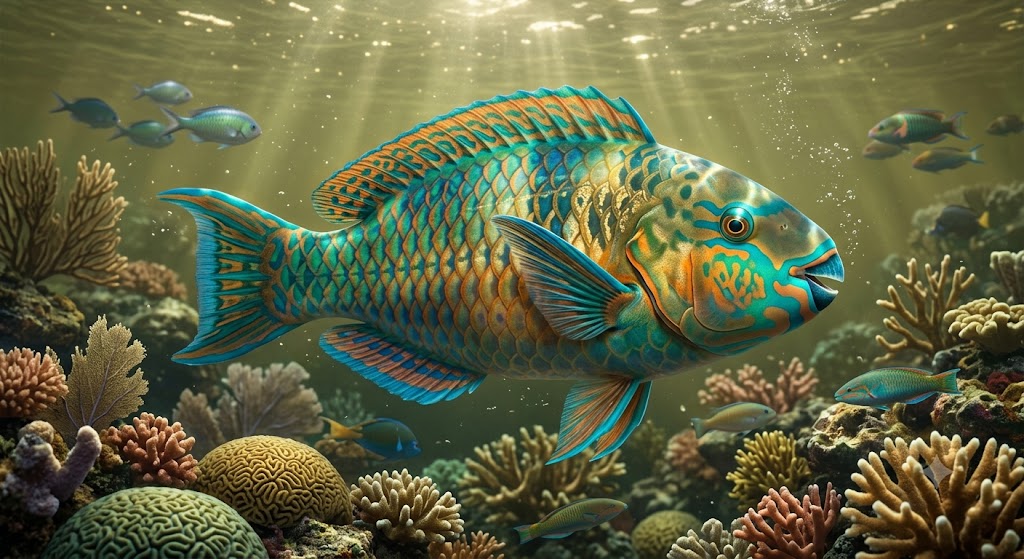
NAME : Parrot Fish
NAME OF THE SPECIE: Parrot Fish
LOCATION : Parrotfishes are found mainly in tropical and subtropical marine waters, particularly throughout the Indo-Pacific and Atlantic regions. Their exact distribution depends on the species.
HABITAT: Most parrotfish species are associated with coral reefs, rocky reefs, seagrass beds, lagoons and shallow coastal waters.
HABITAT (15-20 words): Tropical marine reefs, lagoons, rocky shores and seagrass habitats provide feeding areas, shelter and breeding grounds for parrotfishes.
WEIGHT: Because Parrotfish represents many species, size varies considerably.
DIET: Algae, turf algae and algae-containing material scraped from reef surfaces. Some species also consume coral material and other organisms incidentally while feeding.
FOOD: Parrotfishes are primarily herbivorous grazers. Their specialized beak-like teeth allow them to scrape algae from coral and rocky surfaces. While feeding, many species accidentally ingest pieces of coral rock. Their digestive system processes the organic material and the remaining mineral material is expelled as fine sediment. This feeding activity makes parrotfish extremely important to coral-reef ecosystems because they help control algae and contribute to the production of reef sand.
FOOD & DIET: Primarily herbivorous grazers that scrape algae from reef surfaces, accidentally consuming coral material while feeding.
FACT: Parrotfish get their name from their parrot-like beak formed by tightly packed teeth. Their teeth are actually modified structures called pharyngeal teeth deeper in the throat that help grind food. Many species scrape algae from coral surfaces while feeding. Some parrotfish consume and process significant amounts of coral substrate. Their feeding can help prevent algae from overgrowing corals. The ground-up mineral material they excrete contributes to the formation of tropical reef sand. A single large parrotfish can contribute substantially to sediment production in some reef environments. Many species undergo dramatic color changes as they mature. Some parrotfish species are capable of sequential hermaphroditism, changing sex during their life cycle. Many species form harems or social groups. Some species produce a protective mucus cocoon at night while resting, which may help mask their scent from predators. Parrotfishes are important herbivores in coral-reef food webs. The largest species, the Bumphead Parrotfish, can exceed 1 metre in length. Parrotfish populations can be affected by overfishing and reef degradation. Their ecological importance means that protecting parrotfish can help support healthy coral-reef ecosystems.
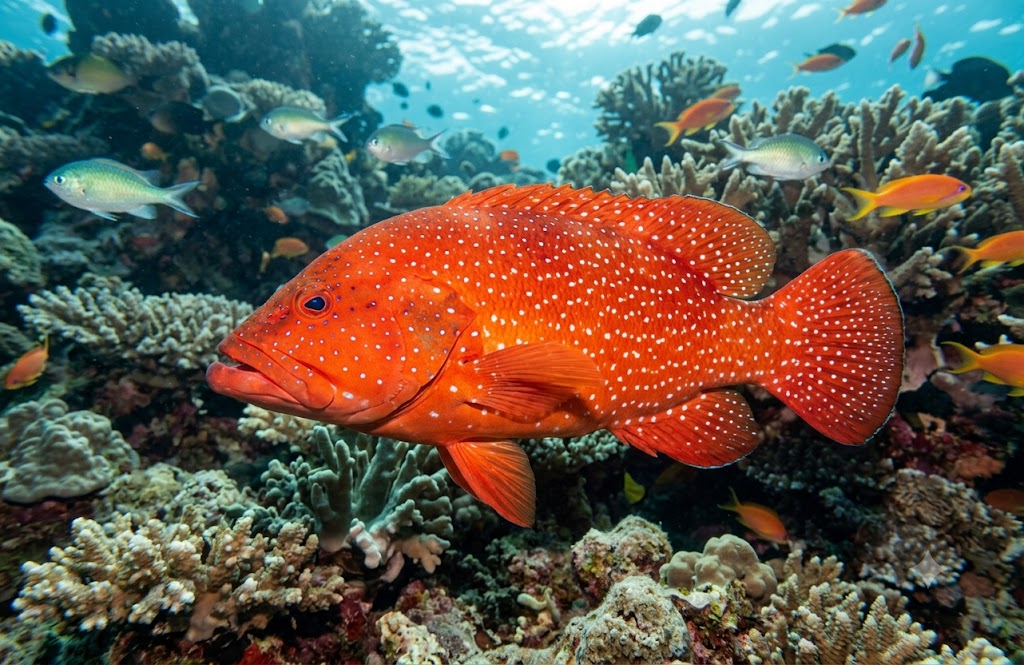
NAME : Tomato Grouper
NAME OF THE SPECIE: Tomato Grouper
LOCATION : Tomato Grouper is native to the Indo-Pacific. Its recorded distribution extends from the east coast of Africa, including Djibouti and Socotra, southward to Durban, eastward to the Line Islands, north to southern Japan, and south to southern Queensland, Australia.
HABITAT: It is a marine, reef-associated, non-migratory fish. Adults commonly inhabit deep lagoon reefs, steep outer reef slopes and coastal areas with rocky substrates. They often shelter around reef structures containing large holes, some of which are occupied by cleaner shrimp. Juveniles are commonly found near sponges or coral heads. The species has been recorded from approximately 10–150 m, with adults commonly encountered around 30–100 m.
HABITAT (15-20 words): Lives around deeper coral reefs, rocky substrates, lagoon reefs and outer reef slopes, often sheltering inside reef holes.
WEIGHT: Common length: approximately 30 cm total length (TL).
DIET: Small fishes and crustaceans, including: Shrimps, Crabs, Stomatopods
FOOD: Tomato Grouper is a carnivorous predator. It feeds primarily on smaller reef-associated animals, especially small fishes and crustaceans.
FOOD & DIET: A carnivorous reef predator feeding mainly on small fishes, shrimps, crabs and stomatopods.
FACT: Tomato Grouper belongs to the grouper family, Epinephelidae. Its scientific name is Cephalopholis sonnerati. FishBase's preferred common name is Tomato hind, although Tomato Grouper is widely used as a common name. Adults are generally solitary, rather than forming large schools. They commonly shelter around reef holes and bommies, sometimes in areas occupied by cleaner shrimp. Juveniles are often associated with sponges and coral heads. Adults can occur at considerably greater depths than many shallow-water reef fish. The species has been recorded from 10 to 150 m, although it is commonly encountered around 30–100 m. Adults in the Pacific are generally pale reddish to yellowish brown, with numerous small reddish-brown or dark-brown spots. Juveniles can be dark reddish-brown to nearly black and may have whitish fin margins.
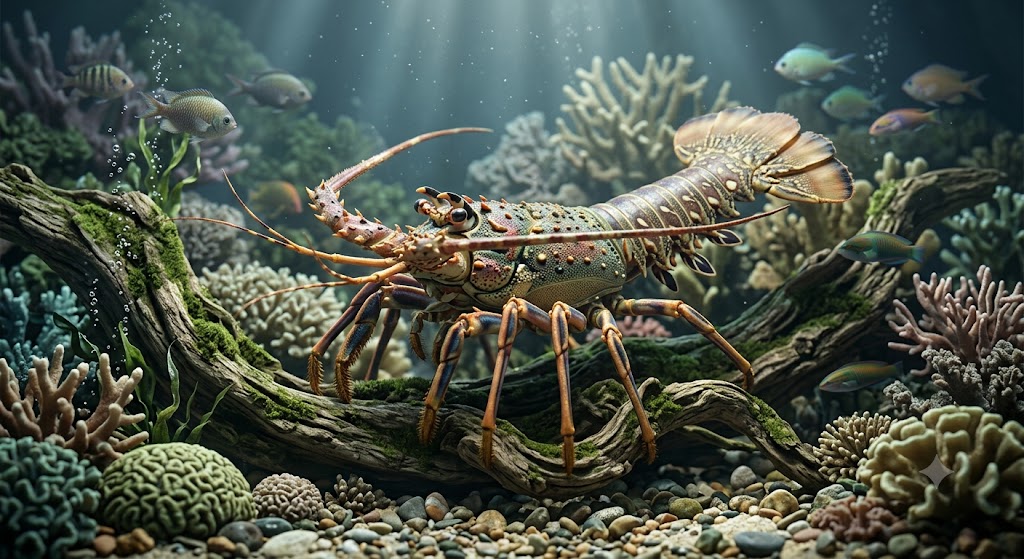
NAME : Tropical Rock Lobster
NAME OF THE SPECIE: Tropical Rock Lobster
LOCATION : Tropical Rock Lobster has a broad Indo-West Pacific distribution. It occurs from the western Indian Ocean and eastern African region across the tropical Indo-Pacific, including areas around India, Southeast Asia, northern Australia, Papua New Guinea and Pacific islands.
HABITAT: It is a marine, benthic tropical crustacean. It can inhabit shallow coastal waters, sandy and muddy bottoms, rocky substrates and coral reefs. It is also commonly associated with areas near river mouths and coastal habitats. Juveniles may occupy holes and crevices partially covered by seagrass or macroalgae. Recorded depth is approximately 1–50 m, although shallow water is particularly important.
HABITAT (15-20 words): Lives in shallow tropical coastal waters, coral reefs, rocky areas, sandy bottoms and sheltered coastal habitats.
WEIGHT: Typical adult length: approximately 30–35 cm total length (TL).
DIET: Tropical Rock Lobster is an omnivorous benthic feeder.
FOOD: Unlike many predatory marine animals, this lobster is not strictly carnivorous. It is considered omnivorous, feeding on a mixture of animal and plant material found on or near the seafloor.
FOOD & DIET: An omnivorous bottom feeder consuming mollusks, crustaceans, small marine animals and available plant or algal material.
FACT: Tropical Rock Lobster is not a true fish; it is a marine decapod crustacean. Its scientific name is Panulirus ornatus. It belongs to the Palinuridae, the family of spiny lobsters. Unlike clawed lobsters, spiny lobsters such as Panulirus ornatus do not have large crushing claws. It has exceptionally long antennae, which are important sensory structures. Its body is covered by a hard, spiny exoskeleton. The species can reach approximately 50 cm total length, although individuals are usually considerably smaller.It is generally found in relatively shallow tropical marine environments, with records from about 1–50 m depth.
વૈજ્ઞાનિક નામ : Platax teira
જાતિનું નામ: ટેઇરા બેટફિશ
સ્થાન: આ Indo-West Pacific વિસ્તારની મૂળ દરિયાઈ માછલી છે. તેનું કુદરતી વિતરણ Red Sea અને East Africaથી Indian Ocean, Southeast Asia અને Papua New Guinea સુધી છે. તેનું વિતરણ ઉત્તર તરફ Ryukyu Islands અને દક્ષિણ તરફ Australia સુધી પણ જોવા મળે છે.
લંબાઈ અને વજન: મહત્તમ નોંધાયેલી લંબાઈ: આશરે 70 સેમી કુલ લંબાઈ (TL).
ખોરાક: ટેઇરા બેટફિશ મુખ્યત્વે માંસાહારી દરિયાઈ માછલી છે. તે reefs અને કાંઠાના વિસ્તારોમાં સક્રિય રીતે નાના દરિયાઈ જીવોનો ખોરાક તરીકે ઉપયોગ કરે છે.
ખોરાક (વૈકલ્પિક) આહાર : તે મુખ્યત્વે માંસાહારી છે અને reefs, lagoons તથા કાંઠાના વિસ્તારોમાં નાના દરિયાઈ જીવોને સક્રિય રીતે ખાય છે.
વિશેષતા: Teira Batfish અને Longfin Batfish એક જ species છે: Platax teira. તે Ephippidae કુટુંબની છે, જેમાં batfish અને spadefishનો સમાવેશ થાય છે. તે આશરે 70 સેમી સુધી લાંબી થઈ શકે છે. નાની માછલીનું શરીર ખૂબ ઊંડું, બાજુથી ચપટું અને લાંબા finsવાળું હોય છે. નાની માછલીઓ ઘણીવાર તરતા કચરા/વસ્તુઓની આસપાસ રહે છે, જે તેમને camouflage અને સુરક્ષા આપે છે. પુખ્ત માછલીઓ reefs, shipwrecks અને પાણીની અંદરની અન્ય રચનાઓની આસપાસ જોવા મળે છે. મોટી પુખ્ત માછલીના કપાળ પર વિશિષ્ટ હાડકાનું ઊંચાણ વિકસિત થઈ શકે છે. તેનું શરીર બાજુથી ખૂબ ચપટું હોવાથી તેનો વિશિષ્ટ batfish આકાર બને છે. નાનીથી પુખ્ત થતી વખતે તેના શરીર અને દેખાવમાં નોંધપાત્ર ફેરફાર થાય છે. નાની માછલીઓ marine aquarium tradeમાં વેચાય છે, પરંતુ પુખ્ત થયા પછી મોટા કદને કારણે મોટા marine aquariumની જરૂર પડે છે.
વૈજ્ઞાનિક નામ : Tripterodon orbis Playfair
જાતિનું નામ: આફ્રિકન સ્પેડફિશ
સ્થાન: આ હિંદ મહાસાગરની મૂળ દરિયાઈ માછલી છે. તેનું વિતરણ દક્ષિણ આફ્રિકા અને South Africaની Algoa Bayથી Andaman અને Nicobar Islands સુધી નોંધાયું છે. તેમાં ભારત અને શ્રીલંકા આસપાસના દરિયાઈ વિસ્તારોનો પણ સમાવેશ થાય છે.
લંબાઈ અને વજન: સામાન્ય લંબાઈ: આશરે 30 સેમી કુલ લંબાઈ (TL).
ખોરાક: African Spadefish મુખ્યત્વે ખડકો અને corals સાથે જોડાયેલા જીવોને ખાય છે. તેથી તેનો આહાર reefની સપાટી પર અથવા તેની આસપાસ રહેતા નાના જીવોમાંથી બને છે.
ખોરાક (વૈકલ્પિક) આહાર : તે મુખ્યત્વે ખડકો અને corals પર રહેતા જીવોને ખાય છે અને ઊંડા reef વિસ્તારોમાં ખોરાક શોધે છે.
વિશેષતા: તેનું વૈજ્ઞાનિક નામ Tripterodon orbis છે. તે આશરે 75 સેમી સુધી લાંબી થઈ શકે છે, જ્યારે સામાન્ય લંબાઈ આશરે 30 સેમી છે. તે reef environments સાથે સંકળાયેલી છે. FishBase તેની ઊંડાઈ આશરે 40–70 મીટર દર્શાવે છે.તેનું શરીર ટૂંકું, ઊંડું અને બાજુથી ચપટું હોય છે. તેનો રંગ સામાન્ય રીતે silvery-brown હોય છે અને શરીર પર dark crossbands જોવા મળે છે. ઉંમર વધતાં આ dark crossbands ઓછા સ્પષ્ટ થઈ શકે છે.તેના dorsal finમાં 9 spines અને 19–21 soft rays હોય છે. તેના anal finમાં 3 spines અને 15–17 soft rays હોય છે.
વૈજ્ઞાનિક નામ : Scarus tricolor
જાતિનું નામ: પેરોટફિશ
સ્થાન: પેરોટફિશ મુખ્યત્વે ઉષ્ણકટિબંધીય અને ઉપઉષ્ણકટિબંધીય દરિયાઈ વિસ્તારોમાં જોવા મળે છે.
લંબાઈ અને વજન: Parrotfishમાં ઘણી species હોવાથી તેનું કદ ઘણું બદલાય છે.આશરે સમૂહ કદ: 20–120+ સેમી, species પ્રમાણે.
ખોરાક: પેરોટફિશ મુખ્યત્વે શાકાહારી grazer છે. તેના વિશિષ્ટ ચાંચ જેવા દાંત તેને coral અને ખડકની સપાટી પરથી algae ખૂરચવામાં મદદ કરે છે. ખોરાક લેતી વખતે ઘણી species coral rockના નાના ટુકડાઓ પણ ગળી જાય છે. પચી ન શકેલું mineral material બારીક sediment તરીકે બહાર આવે છે. આ કારણે પેરોટફિશ coral-reef ecosystem માટે ખૂબ મહત્વપૂર્ણ છે. તે algaeને નિયંત્રિત કરવામાં અને reef sand બનાવવામાં મદદ કરે છે.
ખોરાક (વૈકલ્પિક) આહાર : તે મુખ્યત્વે શાકાહારી grazer છે, જે reef surfaces પરથી algae ખૂરચતી વખતે coral material પણ ગળી જાય છે.
વિશેષતા: તેનું નામ તેના પોપટ જેવી ચાંચના આકારને કારણે પડ્યું છે. તેના દાંત ખૂબ નજીકથી ગોઠવાયેલા હોય છે અને ચાંચ જેવું માળખું બનાવે છે. ઘણી species coral surfaces પરથી algae ખૂરચે છે. કેટલીક પેરોટફિશ ખોરાક લેતી વખતે નોંધપાત્ર પ્રમાણમાં coral substrate પણ ખાય છે. તેની grazing પ્રવૃત્તિ coral પર algaeની વધારે વૃદ્ધિ રોકવામાં મદદ કરે છે. તેના દ્વારા બહાર કાઢવામાં આવતા mineral particles reef sandના નિર્માણમાં ફાળો આપે છે. મોટી પેરોટફિશ કેટલાક reef વિસ્તારોમાં નોંધપાત્ર sediment production કરી શકે છે. ઘણી speciesના રંગો ઉંમર અને maturity સાથે ખૂબ બદલાય છે. કેટલીક species sequential hermaphroditism દર્શાવે છે, એટલે જીવન દરમિયાન sex બદલી શકે છે. ઘણી species social groups અથવા haremsમાં રહે છે. કેટલીક પેરોટફિશ રાત્રે આરામ કરતી વખતે mucus cocoon બનાવે છે, જે predatorsથી રક્ષણમાં મદદ કરી શકે છે. તે coral-reef food websની મહત્વપૂર્ણ herbivores છે. સૌથી મોટી speciesમાંથી એક Bumphead Parrotfish 1 મીટરથી વધુ લાંબી થઈ શકે છે. Overfishing અને coral-reef degradation કેટલીક પેરોટફિશ populationsને અસર કરી શકે છે. સ્વસ્થ coral reefs માટે પેરોટફિશનું સંરક્ષણ ખૂબ મહત્વપૂર્ણ ecological value ધરાવે છે.
વૈજ્ઞાનિક નામ : Cephalopholis sonnerati
જાતિનું નામ: ટોમેટો ગ્રૂપર
સ્થાન: આ Indo-Pacific વિસ્તારની મૂળ દરિયાઈ માછલી છે. તેનું વિતરણ East Africa, Djibouti અને Socotraથી Durban, પૂર્વ તરફ Line Islands, ઉત્તર તરફ Southern Japan અને દક્ષિણ તરફ Southern Queensland, Australia સુધી નોંધાયેલું છે.
લંબાઈ અને વજન: સામાન્ય લંબાઈ: આશરે 30 સેમી કુલ લંબાઈ (TL).
ખોરાક: Tomato Grouper એક માંસાહારી શિકારી છે. તે મુખ્યત્વે નાની reef-associated માછલીઓ અને crustaceans ખાય છે. તેના આહારમાં shrimp, crabs અને stomatopodsનો સમાવેશ થાય છે. તેનો અંદાજિત trophic level આશરે 3.8 છે.
ખોરાક (વૈકલ્પિક) આહાર : તે માંસાહારી reef predator છે, જે મુખ્યત્વે નાની માછલીઓ, ઝીંગા, કરચલા અને stomatopods ખાય છે.
વિશેષતા: Tomato Grouper એક માંસાહારી શિકારી છે. તે મુખ્યત્વે નાની reef-associated માછલીઓ અને crustaceans ખાય છે. તે Grouper કુટુંબ Epinephelidaeની માછલી છે. તેનું વૈજ્ઞાનિક નામ Cephalopholis sonnerati છેતે ઘણીવાર reef holes અને bommiesની આસપાસ આશ્રય લે છે. નાની માછલીઓ ઘણીવાર sponges અને coral headsની નજીક રહે છે. તે ઘણી shallow-water reef fishesની તુલનામાં વધુ ઊંડા પાણીમાં જોવા મળે છે. તેની નોંધાયેલી ઊંડાઈ 10–150 મીટર છે અને સામાન્ય રીતે તે 30–100 મીટરમાં જોવા મળે છે.
વૈજ્ઞાનિક નામ : Panulirus ornatus
જાતિનું નામ: ટ્રોપિકલ રોક લોબસ્ટર
સ્થાન: આ Indo-West Pacific વિસ્તારમાં વ્યાપક રીતે જોવા મળે છે. તેનું વિતરણ western Indian Ocean અને eastern African regionથી tropical Indo-Pacific, ભારત, Southeast Asia, northern Australia, Papua New Guinea અને Pacific islands સુધી છે.
લંબાઈ અને વજન: સામાન્ય પુખ્ત લંબાઈ: આશરે 30–35 સેમી કુલ લંબાઈ (TL).
ખોરાક: આ સંપૂર્ણપણે માંસાહારી નથી. તેને omnivorous માનવામાં આવે છે અને તે સમુદ્રતળની આસપાસ ઉપલબ્ધ animal અને plant material બંને ખાઈ શકે છે.
ખોરાક (વૈકલ્પિક) આહાર : તે omnivorous bottom feeder છે, જે mollusks, crustaceans, નાના દરિયાઈ જીવો અને ઉપલબ્ધ algae અથવા plant material ખાય છે.
વિશેષતા: તેના મજબૂત mouthparts તેને વિવિધ પ્રકારના hard અને soft food items ખાવામાં મદદ કરે છે. Tropical Rock Lobster માછલી નથી, પરંતુ marine decapod crustacean છે. તેનું વૈજ્ઞાનિક નામ Panulirus ornatus છેતે Palinuridae, એટલે કે spiny lobstersના કુટુંબમાં આવે છે. Spiny lobstersમાં સામાન્ય clawed lobsters જેવી મોટી crushing claws હોતી નથી. તેના antennae ખૂબ લાંબા હોય છે અને sensory organs તરીકે કામ કરે છે. તેનું શરીર કઠોર અને કાંટાવાળા exoskeletonથી ઢંકાયેલું હોય છે. તે આશરે 50 સેમી સુધી લાંબી થઈ શકે છે, જોકે સામાન્ય રીતે તેનાથી નાની હોય છે.
वैज्ञानिक नाम : Platax teira
जाति का नाम : टेइरा बैटफिश
जगह: यह Indo-West Pacific क्षेत्र की मूल समुद्री मछली है। इसका प्राकृतिक क्षेत्र Red Sea और East Africa से लेकर Indian Ocean, Southeast Asia और Papua New Guinea तक फैला है। इसका वितरण उत्तर में Ryukyu Islands और दक्षिण में Australia तक भी पहुँचता है।
लंबाई और वजन: अधिकतम दर्ज लंबाई: लगभग 70 सेमी कुल लंबाई (TL)।
खाना: टेइरा बैटफिश मुख्य रूप से मांसाहारी समुद्री मछली है। यह reef और तटीय क्षेत्रों में सक्रिय रूप से छोटे समुद्री जीवों का भोजन करती है।
भोजन (वैकल्पिक) आहार: यह मुख्यतः मांसाहारी है और reefs, lagoons तथा तटीय क्षेत्रों में छोटे समुद्री जीवों को सक्रिय रूप से खाती है।
विशेषता: Teira Batfish और Longfin Batfish एक ही प्रजाति के नाम हैं: Platax teira। यह Ephippidae परिवार से संबंधित है, जिसमें batfish और spadefish शामिल हैं। यह लगभग 70 सेमी तक लंबी हो सकती है। युवा मछलियों का शरीर बहुत गहरा, बगल से चपटा और लंबे पंखों वाला होता है। युवा मछलियाँ अक्सर तैरते मलबे के आसपास रह सकती हैं, जिससे उन्हें camouflage और सुरक्षा मिलती है। वयस्क मछलियाँ reefs, shipwrecks और अन्य पानी के नीचे की संरचनाओं के आसपास पाई जा सकती हैं। बड़ी वयस्क मछलियों के माथे पर एक विशिष्ट हड्डीदार उभार विकसित हो सकता है। इसका शरीर बगल से बहुत चपटा होता है, जिससे इसका विशिष्ट batfish आकार बनता है। उम्र और आकार बढ़ने के साथ इसका शरीर और बाहरी रूप काफी बदलता है।
वैज्ञानिक नाम : Tripterodon orbis Playfair
जाति का नाम : अफ्रीकन स्पेडफिश
जगह: यह हिंद महासागर की मूल समुद्री मछली है। इसका वितरण दक्षिणी अफ्रीका और दक्षिण अफ्रीका की Algoa Bay से लेकर Andaman और Nicobar Islands तक दर्ज किया गया है। इसमें भारत और श्रीलंका के आसपास के समुद्री क्षेत्र भी शामिल हैं।
लंबाई और वजन: सामान्य लंबाई: लगभग 30 सेमी कुल लंबाई (TL)।
खाना: African Spadefish मुख्य रूप से चट्टानों और corals से जुड़े जीवों को खाती है। इसलिए इसका भोजन reef की सतहों पर या उनके आसपास रहने वाले छोटे जीवों से बना होता है।
भोजन (वैकल्पिक) आहार: यह मुख्यतः चट्टानों और corals पर रहने वाले जीवों को खाती है और गहरे reef क्षेत्रों में भोजन खोजती है।
विशेषता: This is important: African Spadefish (Tripterodon orbis) does not currently have a formal global IUCN Red List category in the FishBase record based on the current Red List version cited there. Therefore, it should not be labelled Least Concern, Vulnerable, or Endangered without an appropriate assessment.
वैज्ञानिक नाम : Scarus tricolor
जाति का नाम : पैरटफिश
जगह: पैरटफिश मुख्य रूप से उष्णकटिबंधीय और उपोष्णकटिबंधीय समुद्री क्षेत्रों में पाई जाती हैं। इनका वितरण विशेष रूप से Indo-Pacific और Atlantic क्षेत्रों में है। सटीक वितरण प्रजाति के अनुसार अलग होता है।
लंबाई और वजन: क्योंकि Parrotfish में कई प्रजातियाँ शामिल हैं, इसलिए आकार काफी अलग-अलग होता है।
खाना: पैरटफिश मुख्य रूप से शाकाहारी grazer होती हैं। इनके विशेष चोंच जैसे दाँत इन्हें coral और चट्टानी सतहों से algae खुरचने में मदद करते हैं।
भोजन (वैकल्पिक) आहार: यह मुख्यतः शाकाहारी grazer है, जो reef surfaces से algae खुरचते समय coral material भी निगलती है।
विशेषता: इसका नाम इसके तोते जैसी चोंच के कारण पड़ा है। इसके दाँत बहुत कसकर व्यवस्थित होते हैं और चोंच जैसा ढाँचा बनाते हैं। कई प्रजातियाँ coral surfaces से algae खुरचती हैं। कुछ पैरटफिश भोजन करते समय काफी मात्रा में coral substrate भी खाती हैं। इनकी grazing गतिविधि corals पर algae की अत्यधिक वृद्धि को रोकने में मदद करती है। इनके द्वारा पचाए न गए mineral पदार्थ से reef sand बनने में योगदान होता है। बड़ी पैरटफिश कुछ reef क्षेत्रों में काफी मात्रा में sediment production में योगदान कर सकती हैं। कई प्रजातियों के रंग उम्र और maturity के साथ काफी बदलते हैं। कुछ प्रजातियाँ sequential hermaphroditism दिखाती हैं, अर्थात जीवन के दौरान sex बदल सकती हैं। कई प्रजातियाँ social groups या harems में रहती हैं। कुछ पैरटफिश रात में आराम करते समय mucus cocoon बनाती हैं, जो predators से सुरक्षा में मदद कर सकता है। ये coral-reef food webs की महत्वपूर्ण herbivores हैं। सबसे बड़ी प्रजातियों में से एक Bumphead Parrotfish 1 मीटर से अधिक लंबी हो सकती है। Overfishing और coral-reef degradation पैरटफिश की कुछ populations को प्रभावित कर सकते हैं।
वैज्ञानिक नाम : Cephalopholis sonnerati
जाति का नाम : टोमैटो ग्रूपर
जगह: यह Indo-Pacific क्षेत्र की मूल मछली है। इसका वितरण East Africa, Djibouti और Socotra से Durban, फिर पूर्व की ओर Line Islands, उत्तर में Southern Japan और दक्षिण में Southern Queensland, Australia तक दर्ज है।
लंबाई और वजन: सामान्य लंबाई: लगभग 30 सेमी कुल लंबाई (TL)।
खाना: Tomato Grouper एक मांसाहारी शिकारी है। यह मुख्य रूप से छोटी reef-associated मछलियाँ और crustaceans खाती है।
भोजन (वैकल्पिक) आहार: यह मांसाहारी reef predator है, जो मुख्यतः छोटी मछलियाँ, झींगे, केकड़े और stomatopods खाती है।
विशेषता: यह अक्सर reef holes और bommies के आसपास आश्रय लेती है। युवा मछलियाँ अक्सर sponges और coral heads के पास रहती हैं। यह कई shallow-water reef fish की तुलना में अधिक गहराई में पाई जाती है। इसकी दर्ज गहराई 10–150 मीटर है, जबकि यह सामान्यतः 30–100 मीटर पर पाई जाती है।वयस्कों का रंग सामान्यतः लाल-भूरे से पीले-भूरे रंग का होता है और शरीर पर छोटे dark spots होते हैं। युवा मछलियाँ गहरे लाल-भूरे से लगभग काले रंग की हो सकती हैं।
वैज्ञानिक नाम : Panulirus ornatus
जाति का नाम : Tropical Rock Lobster
जगह: यह Indo-West Pacific क्षेत्र में व्यापक रूप से पाई जाती है।
लंबाई और वजन: सामान्य वयस्क लंबाई: लगभग 30–35 सेमी कुल लंबाई (TL)।
खाना: यह एक समुद्री, benthic और tropical crustacean है। यह पूरी तरह मांसाहारी नहीं है। इसे omnivorous माना जाता है और यह समुद्र तल के आसपास उपलब्ध animal तथा plant material दोनों खा सकती है।
भोजन (वैकल्पिक) आहार: यह omnivorous bottom feeder है, जो mollusks, crustaceans, छोटे समुद्री जीव और उपलब्ध algae या plant material खाती है।
विशेषता: Tropical Rock Lobster मछली नहीं, बल्कि marine decapod crustacean है। इसका वैज्ञानिक नाम Panulirus ornatus है।यह Palinuridae, यानी spiny lobsters के परिवार से संबंधित है। Spiny lobsters में आम clawed lobsters जैसी बड़ी crushing claws नहीं होतीं। इसके antennae बहुत लंबे होते हैं और sensory organs के रूप में काम करते हैं। इसका शरीर कठोर और कांटेदार exoskeleton से ढका होता है। यह लगभग 50 सेमी तक लंबी हो सकती है, हालांकि सामान्यतः इससे छोटी होती है।