


x





Indian Zone
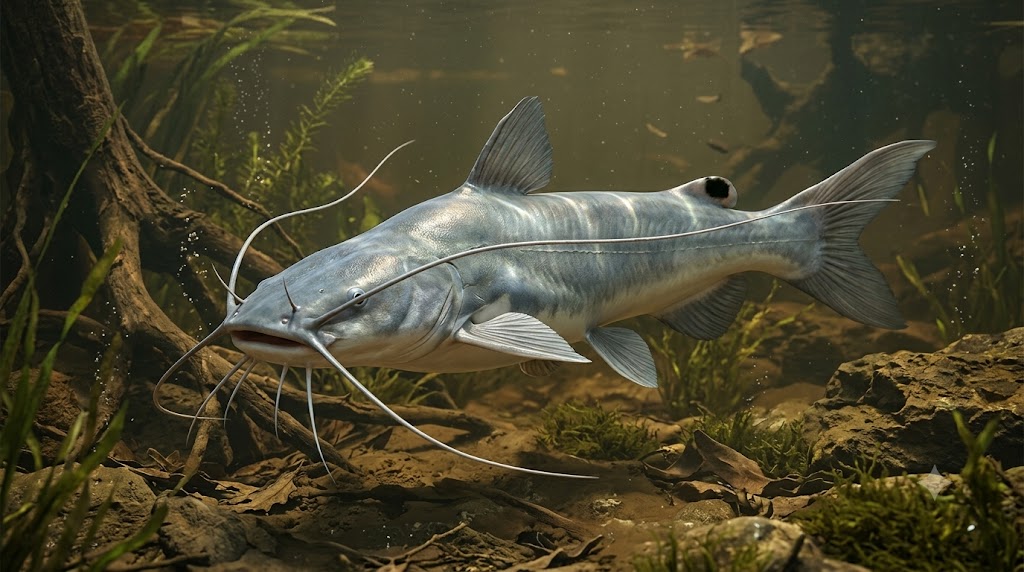
NAME : Long-whiskered Catfish
NAME OF THE SPECIE: Long-whiskered Catfish
LOCATION : South Asia: Pakistan, India, Nepal, Bangladesh and upper Myanmar.
HABITAT: Freshwater, demersal and tropical. Found in rivers, ponds, lakes, channels and reservoirs.
HABITAT (15-20 words): Lives mainly in tropical freshwater rivers, ponds, lakes, channels and reservoirs, usually near the bottom.
WEIGHT: Common length is about 100 cm TL; maximum recorded length is 180 cm TL. A reliable measured weight range is not reported.
DIET: Small fishes and worms.
FOOD: Predatory and mainly feeds on small fishes and worms.
FOOD & DIET: A predatory catfish that mainly eats small fishes and worms found in freshwater habitats.
FACT: It is a large freshwater catfish with very long whisker-like barbels. It is commercially important and also valued as a gamefish.
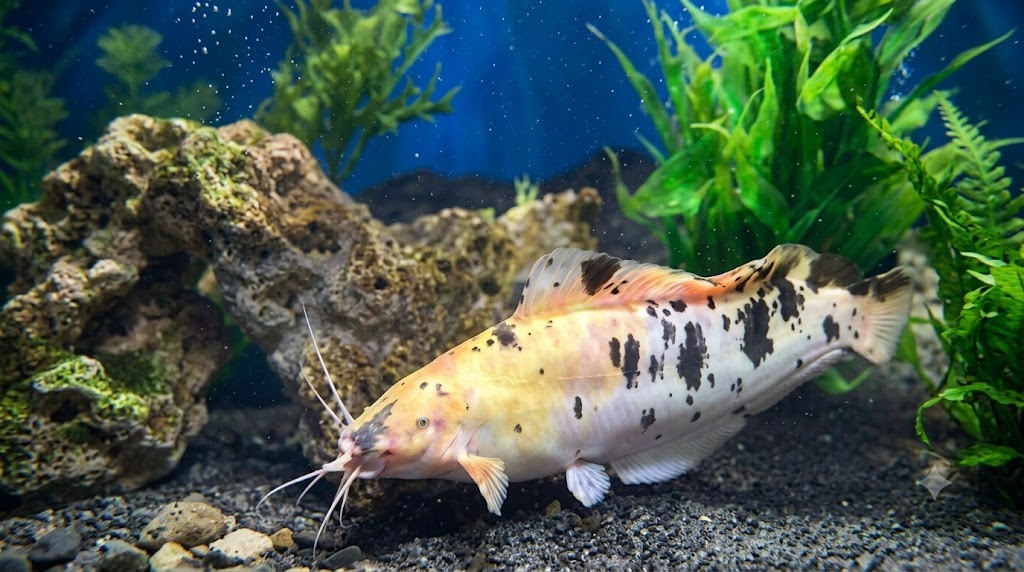
NAME : Philippine Catfish / Walking Catfish
NAME OF THE SPECIE: Philippine Catfish / Walking Catfish
LOCATION : Native to Java, Indonesia; introduced elsewhere. Populations from Indochina and Sundaland have sometimes been misidentified as C. batrachus.
HABITAT: Freshwater and sometimes brackish environments; commonly found in swamps, ponds, ditches, rice paddies, stagnant muddy waters, canals and lowland rivers.
HABITAT (15-20 words): Lives mainly in stagnant muddy freshwater, ponds, swamps, rice fields, canals and lowland rivers.
WEIGHT: Common length about 26.3 cm TL; maximum recorded length 47 cm TL; maximum published weight about 1.2 kg.
DIET: Insect larvae, earthworms, crustaceans, small fish, shells, aquatic plants and organic debris.
FOOD: Mainly carnivorous/predatory, but opportunistic and omnivorous in feeding; insects, crustaceans and small fish are important food items.
FOOD & DIET: Feeds mainly on insects, crustaceans, worms and small fish, while also consuming aquatic plants and organic debris.
FACT: It can breathe atmospheric air, survive out of water for some time, and move short distances over land using its accessory breathing organs.
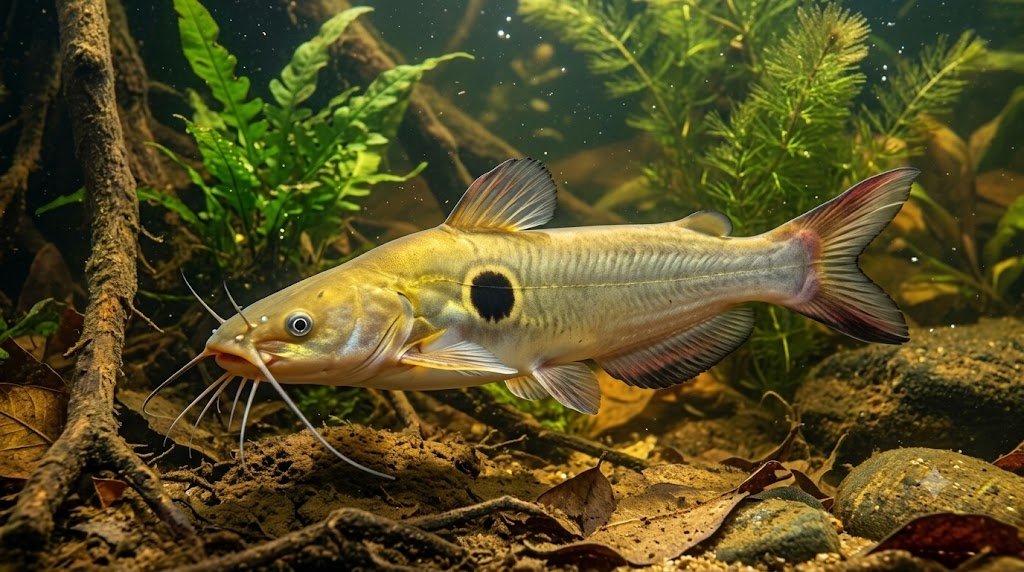
NAME : Philippine Catfish / Walking Catfish
NAME OF THE SPECIE: Philippine Catfish / Walking Catfish
LOCATION : Native to Java, Indonesia; introduced elsewhere. Populations from Indochina and Sundaland have sometimes been misidentified as C. batrachus.
HABITAT: Freshwater and sometimes brackish environments; commonly found in swamps, ponds, ditches, rice paddies, stagnant muddy waters, canals and lowland rivers.
HABITAT (15-20 words): Lives mainly in stagnant muddy freshwater, ponds, swamps, rice fields, canals and lowland rivers.
WEIGHT: Common length about 26.3 cm TL; maximum recorded length 47 cm TL; maximum published weight about 1.2 kg.
DIET: Insect larvae, earthworms, crustaceans, small fish, shells, aquatic plants and organic debris.
FOOD: Mainly carnivorous/predatory, but opportunistic and omnivorous in feeding; insects, crustaceans and small fish are important food items.
FOOD & DIET: Feeds mainly on insects, crustaceans, worms and small fish, while also consuming aquatic plants and organic debris.
FACT: It can breathe atmospheric air, survive out of water for some time, and move short distances over land using its accessory breathing organs.
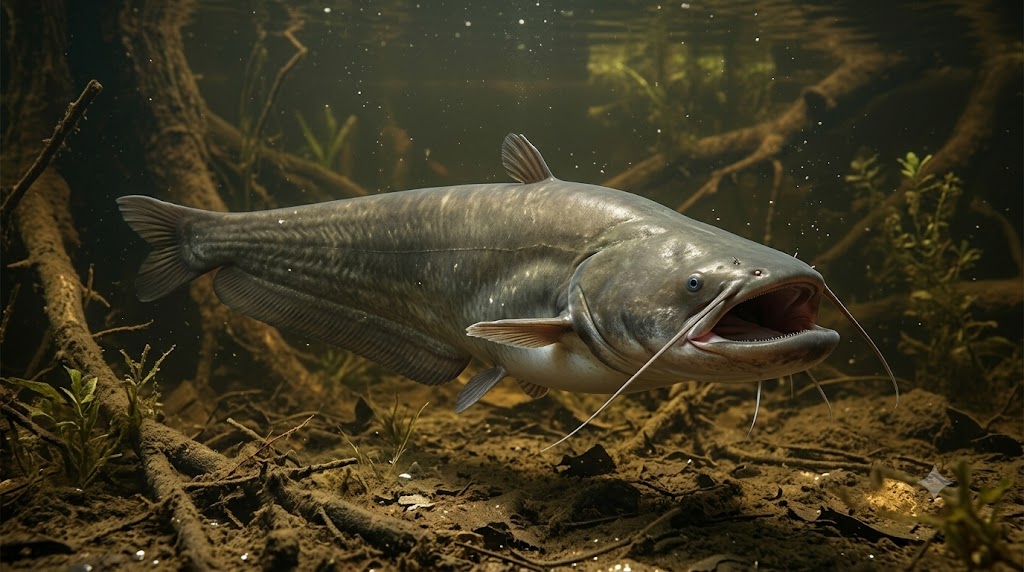
NAME : Wallago Catfish
NAME OF THE SPECIE: Wallago Catfish
LOCATION : South and Southeast Asia, from Pakistan through India and other parts of the region to Vietnam and Indonesia; also reported from Afghanistan.
HABITAT: Freshwater and sometimes brackish; mainly found in large rivers, lakes and tanks, especially deep, still or slow-flowing water with muddy or silty bottoms.
HABITAT (15-20 words): Lives in deep, slow-moving freshwater rivers, lakes and canals with muddy or silty bottoms and sheltered banks.
WEIGHT: Common length about 75 cm TL; maximum recorded length 240 cm TL. A reliable measured weight range is not reported.
DIET: Insects, small fishes, crustaceans and mollusks.
FOOD: Strongly predatory; juveniles mainly eat insects, while adults mainly consume smaller fish, crustaceans and mollusks.
FOOD & DIET: Juveniles eat mainly insects, while adults prey on smaller fish, crustaceans and mollusks in freshwater habitats.
FACT: It has a huge mouth and powerful jaws with bands of conical teeth. It can bite strongly when handled and is commercially important as a food fish.
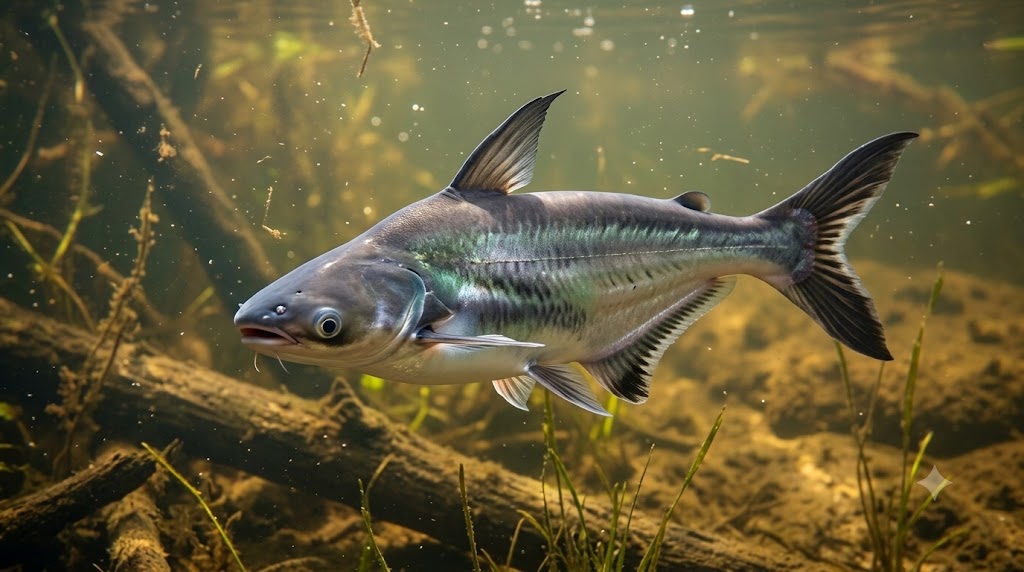
NAME : Striped Catfish
NAME OF THE SPECIE: Striped Catfish
LOCATION : Native to the Mekong, Chao Phraya and Maeklong river basins of Southeast Asia. It has also been introduced into other river basins, mainly for aquaculture.
HABITAT: Tropical freshwater; mainly benthopelagic. Adults inhabit large rivers, while the species also uses flooded areas and connected habitats during its seasonal movements.
HABITAT (15-20 words): Lives mainly in large tropical freshwater rivers, floodplains and connected habitats, with seasonal movements between feeding and spawning areas.
WEIGHT: Maximum recorded length 130 cm SL; maximum published weight 44 kg.
DIET: Fish, crustaceans, zooplankton and vegetable/plant material.
FOOD: Omnivorous. It feeds on fish, crustaceans and plant/vegetable material; feeding habits vary with life stage and habitat.
FOOD & DIET: An omnivorous catfish feeding on fish, crustaceans, zooplankton and substantial amounts of aquatic plant material.
FACT: It is an important commercial aquaculture fish in Southeast Asia and is commonly sold internationally as basa/swai. It is also a migratory species and can perform seasonal river migrations.

NAME : Striped Snakehead
NAME OF THE SPECIE: Striped Snakehead
LOCATION : South and Southeast Asia — Pakistan, India, Nepal, Bangladesh, Sri Lanka, Myanmar, Thailand, Malaysia, Indonesia, Laos, Cambodia, Vietnam and southern China.
HABITAT: Freshwater and sometimes brackish water; ponds, swamps, marshes, rivers, streams, canals, flooded fields and rice paddies.
HABITAT (15-20 words): Prefers shallow, stagnant or slow-moving muddy freshwater in ponds, swamps, canals, rivers and flooded agricultural fields.
WEIGHT: Common length about 61 cm TL; maximum reported 100 cm SL; maximum published weight 3 kg.
DIET: Fish, frogs, tadpoles, crustaceans, insects, earthworms and occasionally other small aquatic animals.
FOOD: Carnivorous predator; mainly feeds on fish, frogs, insects, worms, tadpoles and crustaceans.
FOOD & DIET: A carnivorous predator that eats fish, frogs, tadpoles, crustaceans, insects and earthworms, especially smaller aquatic animals.
FACT: It can breathe atmospheric air and survive dry periods by burrowing into moist bottom mud.
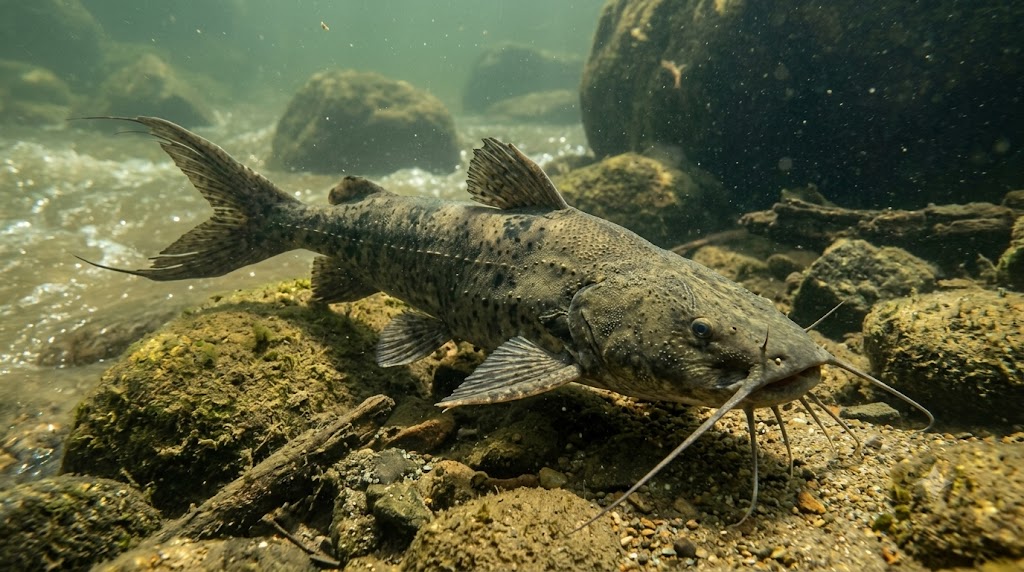
NAME : Gangetic Goonch
NAME OF THE SPECIE: Gangetic Goonch
LOCATION : Indian subcontinent, especially major river systems of India, Nepal and Bangladesh.
HABITAT: Large, fast-flowing freshwater rivers, especially rocky riverbeds, deep pools, rapids and areas with strong currents.
HABITAT (15-20 words): Inhabits large, fast-flowing rivers with rocky bottoms, deep pools, rapids and strong currents in the Indian subcontinent.
WEIGHT: Very large catfish; reports for the yarrelli form reach about 200–230 cm TL. A reliable maximum weight is not established, so it should not be invented.
DIET: Fish, crustaceans and other aquatic animals.
FOOD: Predatory/carnivorous; feeds mainly on fish and other aquatic animals, with larger individuals capable of taking substantial prey.
FOOD & DIET: A powerful carnivorous predator feeding mainly on fish, crustaceans and other aquatic animals in deep river habitats.
FACT: It is a huge, bottom-associated catfish adapted to strong river currents, with a broad flattened head and several pairs of barbels.
વૈજ્ઞાનિક નામ : Sperata aor
જાતિનું નામ: Long-whiskered Catfish
સ્થાન: South Asia — Pakistan, India, Nepal, Bangladesh અને upper Myanmarમાં જોવા મળે છે.
લંબાઈ અને વજન: સામાન્ય લંબાઈ લગભગ 100 cm TL અને મહત્તમ નોંધાયેલી લંબાઈ 180 cm TL છે. વિશ્વસનીય weight range ઉપલબ્ધ નથી.
ખોરાક: તે એક predatory catfish છે અને મુખ્યત્વે નાની માછલીઓ તથા worms/કીડા ખાય છે.
ખોરાક (વૈકલ્પિક) આહાર : આ predatory catfish freshwater habitatમાં મળતી નાની માછલીઓ અને worms/કીડાને મુખ્ય ખોરાક તરીકે ખાય છે.
વિશેષતા: આ લાંબી મૂછ જેવી barbels ધરાવતી મોટી freshwater catfish છે. તે commercial fishery અને gamefish તરીકે પણ મહત્વપૂર્ણ છે.
વૈજ્ઞાનિક નામ : Clarias batrachus
જાતિનું નામ: Philippine Catfish / Walking Catfish
સ્થાન: મૂળરૂપે Java, Indonesiaમાં જોવા મળે છે; અન્ય વિસ્તારોમાં introduce કરવામાં આવી છે. Indochina અને Sundalandની related populationsને ક્યારેક આ species તરીકે ખોટી રીતે ઓળખવામાં આવી છે.
લંબાઈ અને વજન: સામાન્ય લંબાઈ લગભગ 26.3 cm TL, મહત્તમ નોંધાયેલી લંબાઈ 47 cm TL અને મહત્તમ published weight આશરે 1.2 kg છે.
ખોરાક: મુખ્યત્વે predatory/carnivorous છે, પરંતુ opportunistic omnivore પણ છે; insects, crustaceans અને નાની માછલીઓ તેનો મહત્વનો ખોરાક છે.
ખોરાક (વૈકલ્પિક) આહાર : મુખ્યત્વે insects, crustaceans, worms અને નાની માછલીઓ ખાય છે તથા aquatic plants અને organic debris પણ ખાય છે.
વિશેષતા: આ માછલી હવામાંથી શ્વાસ લઈ શકે છે, થોડો સમય પાણીની બહાર જીવિત રહી શકે છે અને જમીન પર થોડું અંતર ચાલી શકે છે.
વૈજ્ઞાનિક નામ : Horabagrus brachysoma
જાતિનું નામ: Philippine Catfish / Walking Catfish
સ્થાન: મૂળરૂપે Java, Indonesiaમાં જોવા મળે છે; અન્ય વિસ્તારોમાં introduce કરવામાં આવી છે. Indochina અને Sundalandની related populationsને ક્યારેક આ species તરીકે ખોટી રીતે ઓળખવામાં આવી છે.
લંબાઈ અને વજન: સામાન્ય લંબાઈ લગભગ 26.3 cm TL, મહત્તમ નોંધાયેલી લંબાઈ 47 cm TL અને મહત્તમ published weight આશરે 1.2 kg છે.
ખોરાક: મુખ્યત્વે predatory/carnivorous છે, પરંતુ opportunistic omnivore પણ છે; insects, crustaceans અને નાની માછલીઓ તેનો મહત્વનો ખોરાક છે.
ખોરાક (વૈકલ્પિક) આહાર : મુખ્યત્વે insects, crustaceans, worms અને નાની માછલીઓ ખાય છે તથા aquatic plants અને organic debris પણ ખાય છે.
વિશેષતા: આ માછલી હવામાંથી શ્વાસ લઈ શકે છે, થોડો સમય પાણીની બહાર જીવિત રહી શકે છે અને જમીન પર થોડું અંતર ચાલી શકે છે.
વૈજ્ઞાનિક નામ : Wallago attu
જાતિનું નામ: Wallago Catfish
સ્થાન: South અને Southeast Asiaમાં જોવા મળે છે; Pakistanથી India, Vietnam અને Indonesia સુધી તેનું distribution છે. Afghanistanમાંથી પણ નોંધાયેલ છે.
લંબાઈ અને વજન: સામાન્ય લંબાઈ લગભગ 75 cm TL અને મહત્તમ નોંધાયેલી લંબાઈ 240 cm TL છે. વિશ્વસનીય measured weight range ઉપલબ્ધ નથી.
ખોરાક: ખૂબ જ predatory છે; juveniles મુખ્યત્વે insects ખાય છે, જ્યારે adults નાની માછલીઓ, crustaceans અને mollusks ખાય છે.
ખોરાક (વૈકલ્પિક) આહાર : Juveniles મુખ્યત્વે insects ખાય છે, જ્યારે adults freshwater habitatમાં નાની માછલીઓ, crustaceans અને mollusksનો શિકાર કરે છે.
વિશેષતા: તેનું મોઢું ખૂબ મોટું અને jaws શક્તિશાળી હોય છે તથા તેમાં conical teethની પટ્ટીઓ હોય છે. પકડવામાં આવે ત્યારે તે જોરથી bite કરી શકે છે.
વૈજ્ઞાનિક નામ : Pangasianodon hypophthalmus
જાતિનું નામ: Striped Catfish
સ્થાન: મૂળરૂપે Southeast Asiaની Mekong, Chao Phraya અને Maeklong river basinsમાં જોવા મળે છે. Aquaculture માટે અન્ય river basinsમાં પણ introduce કરવામાં આવી છે.
લંબાઈ અને વજન: મહત્તમ નોંધાયેલી લંબાઈ 130 cm SL અને મહત્તમ published weight 44 kg છે.
ખોરાક: સર્વાહારી (Omnivorous) છે. Fish, crustaceans અને plant material ખાય છે; તેની ઉંમર અને habitat પ્રમાણે diet બદલાઈ શકે છે.
ખોરાક (વૈકલ્પિક) આહાર : આ સર્વાહારી catfish માછલીઓ, crustaceans, zooplankton અને નોંધપાત્ર પ્રમાણમાં aquatic plant material ખાય છે.
વિશેષતા: આ Southeast Asiaની મહત્વપૂર્ણ commercial aquaculture fish છે અને international marketમાં સામાન્ય રીતે basa/swai નામે વેચાય છે.
વૈજ્ઞાનિક નામ : Channa striata
જાતિનું નામ: Striped Snakehead
સ્થાન: દક્ષિણ અને દક્ષિણ-પૂર્વ એશિયા — ભારત, પાકિસ્તાન, નેપાળ, બાંગ્લાદેશ, શ્રીલંકા, મ્યાનમાર, થાઇલેન્ડ, મલેશિયા, ઇન્ડોનેશિયા વગેરે.
લંબાઈ અને વજન: સામાન્ય લંબાઈ આશરે 61 સેમી TL; મહત્તમ નોંધાયેલી લંબાઈ 100 સેમી SL; મહત્તમ પ્રકાશિત વજન 3 કિગ્રા.
ખોરાક: માંસાહારી શિકારી માછલી; મુખ્યત્વે નાની માછલીઓ, દેડકા, જંતુઓ, અળસિયા, ટેડપોલ અને ક્રસ્ટેશિયન ખાય છે.
ખોરાક (વૈકલ્પિક) આહાર : આ માંસાહારી શિકારી માછલી છે, જે મુખ્યત્વે માછલી, દેડકા, ટેડપોલ, ક્રસ્ટેશિયન, જંતુઓ અને અળસિયા ખાય છે.
વિશેષતા: તે હવામાંથી સીધો શ્વાસ લઈ શકે છે અને સૂકા સમય દરમિયાન ભેજવાળી કાદવવાળી જમીનમાં છુપાઈને જીવિત રહી શકે છે.
વૈજ્ઞાનિક નામ : Bagarius yarrelli
જાતિનું નામ: ગેંગેટિક ગૂંચ
સ્થાન: ભારતીય ઉપખંડ, ખાસ કરીને ભારત, નેપાળ અને બાંગ્લાદેશની મુખ્ય નદી પ્રણાલીઓમાં જોવા મળે છે.
લંબાઈ અને વજન: ખૂબ મોટી કેટફિશ; yarrelli સ્વરૂપ માટે આશરે 200–230 સેમી TL સુધીની લંબાઈ નોંધાય છે. વિશ્વસનીય મહત્તમ વજન ઉપલબ્ધ નથી.
ખોરાક: માંસાહારી શિકારી; મુખ્યત્વે માછલીઓ અને અન્ય જળચર પ્રાણીઓનો શિકાર કરે છે.
ખોરાક (વૈકલ્પિક) આહાર : આ શક્તિશાળી માંસાહારી શિકારી છે, જે મુખ્યત્વે માછલી, ક્રસ્ટેશિયન અને અન્ય જળચર પ્રાણીઓ ખાય છે.
વિશેષતા: આ વિશાળ તળિયે રહેતી કેટફિશ ઝડપી નદીના પ્રવાહ માટે અનુકૂળ છે અને તેનું માથું પહોળું તથા ચપટું હોય છે.
वैज्ञानिक नाम : Sperata aor
जाति का नाम : Long-whiskered Catfish
जगह: दक्षिण एशिया — पाकिस्तान, भारत, नेपाल, बांग्लादेश और ऊपरी म्यांमार।
लंबाई और वजन: सामान्य लंबाई लगभग 100 cm TL और अधिकतम रिकॉर्ड की गई लंबाई 180 cm TL है। विश्वसनीय weight range उपलब्ध नहीं है।
खाना: शिकारी मछली है और मुख्य रूप से छोटी मछलियों तथा कीड़ों/केंचुओं को खाती है।
भोजन (वैकल्पिक) आहार: यह शिकारी catfish मीठे पानी में मिलने वाली छोटी मछलियों और कीड़ों/केंचुओं को मुख्य रूप से खाती है।
विशेषता: यह लंबी मूंछ जैसी barbels वाली बड़ी freshwater catfish है। यह commercial fishery और gamefish के रूप में भी महत्वपूर्ण है।
वैज्ञानिक नाम : Clarias batrachus
जाति का नाम : Philippine Catfish / Walking Catfish
जगह: मूल रूप से Java, Indonesia में पाई जाती है; अन्य क्षेत्रों में इसे introduce किया गया है। Indochina और Sundaland की संबंधित populations को कभी-कभी इस species के रूप में गलत पहचाना गया है।
लंबाई और वजन: सामान्य लंबाई लगभग 26.3 cm TL, अधिकतम लंबाई 47 cm TL और अधिकतम प्रकाशित वजन लगभग 1.2 kg है।
खाना: मुख्यतः शिकारी/मांसाहारी भोजन करती है, लेकिन अवसरवादी सर्वाहारी भी है; कीट, crustaceans और छोटी मछलियाँ महत्वपूर्ण भोजन हैं।
भोजन (वैकल्पिक) आहार: मुख्य रूप से कीट, crustaceans, केंचुए और छोटी मछलियाँ खाती है तथा जलीय पौधे और organic debris भी खाती है।
विशेषता: यह हवा में सांस ले सकती है, कुछ समय तक पानी के बाहर जीवित रह सकती है और जमीन पर थोड़ी दूरी तक चल सकती है।
वैज्ञानिक नाम : Horabagrus brachysoma
जाति का नाम : Philippine Catfish / Walking Catfish
जगह: मूल रूप से Java, Indonesia में पाई जाती है; अन्य क्षेत्रों में इसे introduce किया गया है। Indochina और Sundaland की संबंधित populations को कभी-कभी इस species के रूप में गलत पहचाना गया है।
लंबाई और वजन: सामान्य लंबाई लगभग 26.3 cm TL, अधिकतम लंबाई 47 cm TL और अधिकतम प्रकाशित वजन लगभग 1.2 kg है।
खाना: मुख्यतः शिकारी/मांसाहारी भोजन करती है, लेकिन अवसरवादी सर्वाहारी भी है; कीट, crustaceans और छोटी मछलियाँ महत्वपूर्ण भोजन हैं।
भोजन (वैकल्पिक) आहार: मुख्य रूप से कीट, crustaceans, केंचुए और छोटी मछलियाँ खाती है तथा जलीय पौधे और organic debris भी खाती है।
विशेषता: यह हवा में सांस ले सकती है, कुछ समय तक पानी के बाहर जीवित रह सकती है और जमीन पर थोड़ी दूरी तक चल सकती है।
वैज्ञानिक नाम : Wallago attu
जाति का नाम : Wallago Catfish
जगह: दक्षिण और दक्षिण-पूर्व एशिया में पाई जाती है; पाकिस्तान से भारत होते हुए वियतनाम और इंडोनेशिया तक इसका वितरण है। अफगानिस्तान से भी रिपोर्ट की गई है।
लंबाई और वजन: सामान्य लंबाई लगभग 75 cm TL और अधिकतम रिकॉर्ड की गई लंबाई 240 cm TL है। विश्वसनीय measured weight range उपलब्ध नहीं है।
खाना: अत्यधिक शिकारी है; juveniles मुख्य रूप से कीट खाते हैं, जबकि adults छोटी मछलियाँ, crustaceans और mollusks खाते हैं।
भोजन (वैकल्पिक) आहार: Juveniles मुख्यतः कीट खाते हैं, जबकि adults मीठे पानी में छोटी मछलियों, crustaceans और mollusks का शिकार करते हैं।
विशेषता: इसका मुँह बहुत बड़ा और जबड़े शक्तिशाली होते हैं, जिनमें शंकु जैसे दाँतों की पट्टियाँ होती हैं।
वैज्ञानिक नाम : Pangasianodon hypophthalmus
जाति का नाम : Striped Catfish
जगह: मूल रूप से दक्षिण-पूर्व एशिया की Mekong, Chao Phraya और Maeklong नदी प्रणालियों में पाई जाती है। Aquaculture के लिए इसे अन्य नदी प्रणालियों में भी introduce किया गया है।
लंबाई और वजन: अधिकतम रिकॉर्ड की गई लंबाई 130 cm SL और अधिकतम प्रकाशित वजन 44 kg है।
खाना: सर्वाहारी (Omnivorous) है। मछली, crustaceans और plant material खाती है; उम्र और habitat के अनुसार भोजन बदल सकता है।
भोजन (वैकल्पिक) आहार: यह सर्वाहारी catfish मछली, crustaceans, zooplankton और काफी मात्रा में जलीय plant material खाती है।
विशेषता: यह दक्षिण-पूर्व एशिया की महत्वपूर्ण commercial aquaculture fish है और अंतरराष्ट्रीय बाजार में अक्सर basa/swai नाम से बेची जाती है।
वैज्ञानिक नाम : Channa striata
जाति का नाम : Striped Snakehead
जगह: दक्षिण और दक्षिण-पूर्व एशिया — भारत, पाकिस्तान, नेपाल, बांग्लादेश, श्रीलंका, म्यांमार, थाईलैंड, मलेशिया, इंडोनेशिया आदि।
लंबाई और वजन: सामान्य लंबाई लगभग 61 सेमी TL; अधिकतम लगभग 100 सेमी SL; अधिकतम प्रकाशित वजन 3 किग्रा।
खाना: मांसाहारी; मुख्य रूप से छोटी मछलियाँ, मेंढक, कीड़े, केंचुए, टैडपोल और क्रस्टेशियन खाता है।
भोजन (वैकल्पिक) आहार: यह मांसाहारी शिकारी है जो मुख्य रूप से मछली, मेंढक, टैडपोल, क्रस्टेशियन, कीड़े और केंचुए खाता है।
विशेषता: यह वायुमंडलीय हवा में साँस ले सकता है और सूखे समय में गीली मिट्टी में छिपकर जीवित रह सकता है।
वैज्ञानिक नाम : Bagarius yarrelli
जाति का नाम : गैंगेटिक गूंच
जगह: भारतीय उपमहाद्वीप, विशेष रूप से भारत, नेपाल और बांग्लादेश की प्रमुख नदी प्रणालियों में।
लंबाई और वजन: बहुत बड़ी कैटफ़िश; yarrelli रूप के लिए लगभग 200–230 सेमी TL तक की लंबाई बताई गई है। विश्वसनीय अधिकतम वजन उपलब्ध नहीं है।
खाना: मांसाहारी शिकारी; मुख्य रूप से मछलियों और अन्य जलीय जीवों को खाती है।
भोजन (वैकल्पिक) आहार: यह शक्तिशाली मांसाहारी शिकारी है, जो मुख्य रूप से मछली, क्रस्टेशियन और अन्य जलीय जीवों को खाती है।
विशेषता: यह तेज़ नदी की धाराओं के लिए अनुकूलित एक विशाल तल-निवासी कैटफ़िश है, जिसका सिर चौड़ा और चपटा होता है।