


x





Americas Zone
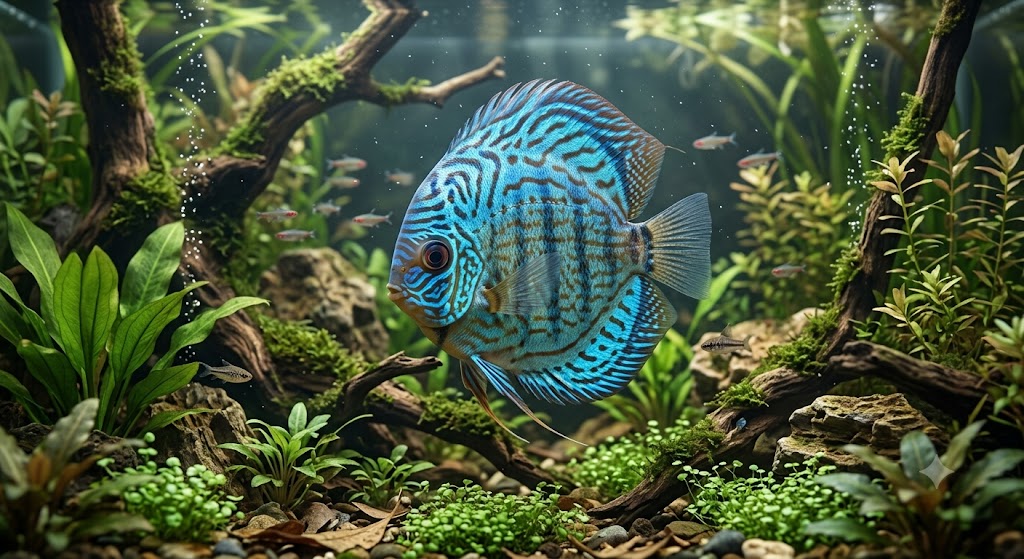
NAME : Blue Discus
NAME OF THE SPECIE: Blue Discus
LOCATION : Native to South America, especially the Amazon Basin of Brazil and surrounding areas.
HABITAT: Blue Discus-type fish are associated with warm, soft, acidic freshwater environments. Their natural habitats can include slow-moving rivers, tributaries, flooded forests and areas with submerged wood and vegetation.
HABITAT (15-20 words): Lives in warm, soft, acidic Amazonian waters, especially slow-moving rivers, tributaries, flooded forests and vegetated habitats.
WEIGHT: Maximum recorded length: approximately 15 cm standard length (SL).
DIET: Small aquatic invertebrates, crustaceans, insect larvae, worms and other small food organisms.
FOOD: Discus are omnivorous cichlids with a strong preference for small animal food. In nature, they feed on small aquatic organisms and other edible material found among submerged vegetation, wood and bottom debris.
FOOD & DIET: Feeds mainly on small aquatic invertebrates and other tiny organisms, while opportunistically consuming available plant and organic material.
FACT: Discus belong to the cichlid family, Cichlidae. Their characteristic round, laterally compressed body gives them their distinctive “discus” appearance. Blue Discus is generally an aquarium color variety, not a separate species. Discus are famous for their parental care. Both parents can participate in caring for their offspring.A particularly unusual behavior is that young Discus feed on nutrient-rich mucus produced on the skin of their parents during the early stages of development. They prefer warm water compared with many other commonly kept freshwater aquarium fish. They are generally considered sensitive to poor water quality and sudden changes in water conditions. Discus are relatively peaceful and social, and they are commonly kept in groups.
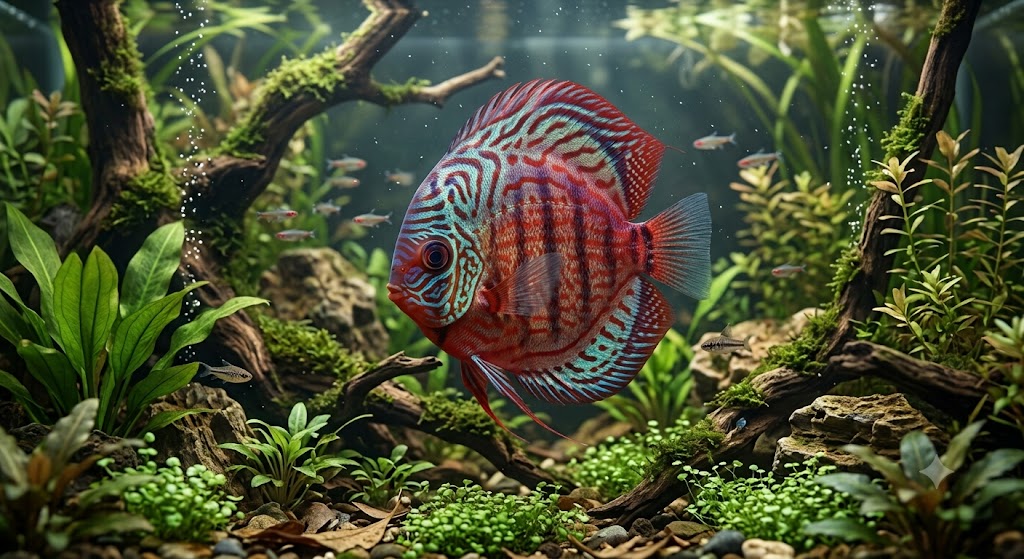
NAME : Red Discus
NAME OF THE SPECIE: Red Discus
LOCATION : The wild ancestors of Discus are native to the Amazon Basin of South America, particularly freshwater systems in Brazil and surrounding parts of the Amazon region. Red Discus itself is generally an aquarium-bred variety, rather than a naturally occurring wild population.
HABITAT: Wild Discus inhabit warm, slow-moving freshwater environments, including tributaries, floodplain waters and forest-associated habitats.
HABITAT (15-20 words): Wild Discus inhabit warm, slow-moving Amazonian waters with submerged roots, vegetation, branches and sheltered forest habitats.
WEIGHT: Typical adult aquarium size: approximately 15–20 cm in overall body size.
DIET: Small aquatic invertebrates, insect larvae, crustaceans and other small food organisms. In aquariums, they can also be fed high-quality Discus pellets, granules and suitable frozen foods.
FOOD: Discus are omnivorous cichlids with a substantial animal-food component. In nature, they consume small aquatic organisms and other edible material found around submerged vegetation, roots and debris.
FOOD & DIET: Feeds on small aquatic invertebrates and other tiny organisms, while aquarium specimens readily accept formulated and frozen foods.
FACT: Red Discus is not a separate species; it is an aquarium-bred color and pattern variety. Discus belong to the cichlid family, Cichlidae. Their distinctive round, laterally compressed body is responsible for the name “Discus.” Discus are famous for their remarkable parental care. Newly free-swimming young Discus feed on nutrient-rich mucus produced on their parents' skin during their early development. Both parents can participate in protecting and caring for their offspring. Discus require warm, stable, high-quality water in captivity. They are generally peaceful and social compared with many larger, territorial cichlids. Red aquarium strains can range from deep red and orange to red-orange, depending on the breeding line. Selective breeding has produced many red forms, including Red Melon, Red Turquoise and Pigeon Blood-type varieties. Stress can cause Discus to become darker or less brightly colored.
વૈજ્ઞાનિક નામ : Symphysodon aequifasciatus
જાતિનું નામ: બ્લુ ડિસ્કસ
સ્થાન: આ દક્ષિણ અમેરિકાની માછલી છે અને મુખ્યત્વે બ્રાઝિલ તથા આસપાસના એમેઝોન બેસિનમાં જોવા મળે છે.
લંબાઈ અને વજન: મહત્તમ નોંધાયેલી લંબાઈ: આશરે 15 સેમી સ્ટાન્ડર્ડ લંબાઈ (SL)।
ખોરાક: ડિસ્કસ એક સર્વાહારી સિચ્લિડ છે, પરંતુ તેના કુદરતી આહારમાં નાના જળચર જીવોનું મહત્વનું સ્થાન છે. તે પાણીની વનસ્પતિ, લાકડીઓ અને તળિયાની સામગ્રી વચ્ચે રહેલા નાના ખાદ્ય જીવોને પસંદ કરીને ખાય છે.
ખોરાક (વૈકલ્પિક) આહાર : તે મુખ્યત્વે નાના જળચર અકશેરુકી અને સૂક્ષ્મ જીવો ખાય છે તથા તક મળે ત્યારે વનસ્પતિ અને જૈવિક દ્રવ્ય પણ ખાય છે.
વિશેષતા: ડિસ્કસ **સિચ્લિડ પરિવાર (Cichlidae)**ની માછલી છે. તેનું ગોળ અને ચપટું શરીર તેની સૌથી વિશિષ્ટ લાક્ષણિકતાઓમાંનું એક છે. Blue Discus એક એક્વેરિયમ રંગ-વેરાયટી છે, અલગ વૈજ્ઞાનિક પ્રજાતિ નથી. ડિસ્કસ તેના બચ્ચાંની અસાધારણ માતા-પિતા સંભાળ માટે જાણીતી છે. શરૂઆતના વિકાસ દરમિયાન બચ્ચાં માતા-પિતાની ચામડીમાંથી નીકળતા પોષક mucusને ખાય છે. ઘણી સામાન્ય મીઠા પાણીની માછલીઓની તુલનામાં તેને વધુ ગરમ પાણી પસંદ છે. ખરાબ પાણીની ગુણવત્તા અને અચાનક પાણીના ફેરફારો પ્રત્યે તે પ્રમાણમાં સંવેદનશીલ હોઈ શકે છે. તે સામાન્ય રીતે શાંત અને સામાજિક માછલી છે અને જૂથમાં રાખવામાં આવે છે. તણાવ, મૂડ અને સામાજિક પરિસ્થિતિ પ્રમાણે તેના રંગની તીવ્રતા બદલાઈ શકે છે. એક્વેરિયમમાં selective breeding દ્વારા Blue Diamond, Cobalt Blue અને Blue Turquoise જેવી ઘણી બ્લુ વેરાયટીઓ વિકસાવવામાં આવી છે.
વૈજ્ઞાનિક નામ : Symphysodon spp.
જાતિનું નામ: રેડ ડિસ્કસ
સ્થાન: જંગલી ડિસ્કસના પૂર્વજો દક્ષિણ અમેરિકાના એમેઝોન બેસિનમાંથી આવે છે, ખાસ કરીને બ્રાઝિલ અને આસપાસના એમેઝોન વિસ્તારોમાંથી.
લંબાઈ અને વજન: સામાન્ય પુખ્ત એક્વેરિયમ કદ: આશરે 15–20 સેમી કુલ શરીર કદ.
ખોરાક: ડિસ્કસ એક સર્વાહારી સિચ્લિડ છે, પરંતુ તેના કુદરતી આહારમાં નાના જળચર જીવોનું મહત્વનું સ્થાન છે. તે પાણીની વનસ્પતિ, મૂળ અને અન્ય પાણીમાં રહેલી સામગ્રીમાંથી નાના ખાદ્ય જીવો મેળવે છે.
ખોરાક (વૈકલ્પિક) આહાર : તે નાના જળચર અકશેરુકી અને સૂક્ષ્મ જીવો ખાય છે તથા એક્વેરિયમમાં formulated અને frozen foods પણ સરળતાથી સ્વીકારે છે.
વિશેષતા: Red Discus અલગ વૈજ્ઞાનિક species નથી, પરંતુ aquarium-bred રંગ અને પેટર્નની વેરાયટી છે. ડિસ્કસ **સિચ્લિડ પરિવાર (Cichlidae)**ની માછલી છે. તેનું ગોળ અને ચપટું શરીર તેની વિશિષ્ટ ઓળખ છે. ડિસ્કસ તેના બચ્ચાંની અસાધારણ parental care માટે જાણીતી છે. શરૂઆતના વિકાસ દરમિયાન બચ્ચાં માતા-પિતાની ચામડીમાંથી નીકળતા પોષક mucusને ખાય છે. માતા અને પિતા બંને બચ્ચાંની સંભાળ અને સુરક્ષામાં ભાગ લઈ શકે છે. એક્વેરિયમમાં ડિસ્કસને ગરમ, સ્થિર અને સારી ગુણવત્તાવાળું પાણી જરૂરી છે. ઘણી મોટી અને આક્રમક સિચ્લિડની તુલનામાં તે સામાન્ય રીતે શાંત અને સામાજિક હોય છે. Red Discusનો રંગ ઘેરા લાલ અને નારંગીથી લઈને લાલ-નારંગી સુધી હોઈ શકે છે. Selective breeding દ્વારા Red Melon, Red Turquoise અને Pigeon Blood જેવી ઘણી લાલ વેરાયટીઓ વિકસાવવામાં આવી છે. તણાવની સ્થિતિમાં ડિસ્કસનો રંગ ઘેરો અથવા ઓછો ચમકદાર દેખાઈ શકે છે.
वैज्ञानिक नाम : Symphysodon aequifasciatus
जाति का नाम : ब्लू डिस्कस
जगह: यह दक्षिण अमेरिका की मछली है और मुख्य रूप से ब्राज़ील तथा आसपास के अमेज़न बेसिन में पाई जाती है।
लंबाई और वजन: अधिकतम दर्ज लंबाई: लगभग 15 सेमी स्टैंडर्ड लंबाई (SL)।
खाना: डिस्कस सर्वाहारी सिक्लिड है, लेकिन इसके प्राकृतिक आहार में छोटे जलीय કુદરતી આહારમાં નાના જળચર જીવોનું મહત્વનું સ્થાન છે. તે પાણીની વનસ્પતિ, લાકડીઓ અને તળિયાની સામગ્રી વચ્ચે રહેલા નાના ખ जीवों का महत्वपूर्ण हिस्सा होता है। यह पानी में मौजूद वनस्पतियों, लकड़ी और तलछट के बीच से छोटे खाद्य जीवों को चुनकर खाती है। यह आम तौर पर अत्यधिक आक्रामक शिकारी की तरह शिकार नहीं करती।
भोजन (वैकल्पिक) आहार: यह मुख्यतः छोटे जलीय अकशेरुकी और सूक्ष्म जीव खाती है तथा अवसर के अनुसार वनस्पति और जैविक पदार्थ भी ग्रहण करती है।
विशेषता: डिस्कस सिक्लिड परिवार (Cichlidae) की मछली है। इसका गोल और चपटा शरीर इसे बहुत विशिष्ट बनाता है। Blue Discus एक एक्वेरियम रंग-वैरायटी है, अलग वैज्ञानिक प्रजाति नहीं। डिस्कस अपने बच्चों की असाधारण parental care के लिए प्रसिद्ध है। शुरुआती अवस्था में बच्चे अपने माता-पिता की त्वचा से निकलने वाले पोषक mucus को खाते हैं। इन्हें कई सामान्य मीठे पानी की मछलियों की तुलना में अधिक गर्म पानी पसंद होता है। खराब पानी की गुणवत्ता और अचानक पानी के बदलाव के प्रति ये अपेक्षाकृत संवेदनशील हो सकती हैं। ये सामान्यतः शांत और सामाजिक मछलियाँ हैं और समूह में रखना पसंद करती हैं। तनाव, मूड और सामाजिक परिस्थितियों के अनुसार इनके रंग की तीव्रता बदल सकती है। एक्वेरियम में selective breeding के कारण Blue Diamond, Cobalt Blue, Blue Turquoise जैसी कई नीली वैरायटी विकसित हुई हैं।
वैज्ञानिक नाम : Symphysodon spp.
जाति का नाम : रेड डिस्कस
जगह: डिस्कस के जंगली पूर्वज दक्षिण अमेरिका के अमेज़न बेसिन से आते हैं, विशेष रूप से ब्राज़ील और आसपास के अमेज़न क्षेत्र से।
लंबाई और वजन: सामान्य वयस्क एक्वेरियम आकार: लगभग 15–20 सेमी कुल शरीर आकार।
खाना: डिस्कस सर्वाहारी सिक्लिड हैं, लेकिन इनके प्राकृतिक आहार में छोटे जलीय जीवों का महत्वपूर्ण हिस्सा होता है। वे जलीय वनस्पतियों, जड़ों और पानी में मौजूद जैविक सामग्री के आसपास से छोटे खाद्य जीव प्राप्त करती हैं।
भोजन (वैकल्पिक) आहार: यह छोटे जलीय अकशेरुकी और सूक्ष्म जीव खाती है तथा एक्वेरियम में formulated और frozen foods भी आसानी से स्वीकार करती है।
विशेषता: Red Discus अलग वैज्ञानिक प्रजाति नहीं, बल्कि एक aquarium-bred रंग और पैटर्न वैरायटी है। डिस्कस सिक्लिड परिवार (Cichlidae) की मछली है। इसका गोल और चपटा शरीर इसे विशेष पहचान देता है। डिस्कस अपने बच्चों की असाधारण parental care के लिए प्रसिद्ध है। शुरुआती अवस्था में बच्चे माता-पिता की त्वचा से निकलने वाले पोषक mucus को खाते हैं। माता और पिता दोनों बच्चों की देखभाल और सुरक्षा में भाग ले सकते हैं। एक्वेरियम में डिस्कस को गर्म, स्थिर और अच्छी गुणवत्ता वाला पानी चाहिए। ये कई बड़ी और आक्रामक सिक्लिड प्रजातियों की तुलना में सामान्यतः शांत और सामाजिक होती हैं। Red Discus का रंग गहरे लाल और नारंगी से लेकर लाल-नारंगी तक हो सकता है। Selective breeding से Red Melon, Red Turquoise और Pigeon Blood जैसी कई लाल वैरायटी विकसित हुई हैं।