


x





Americas Zone
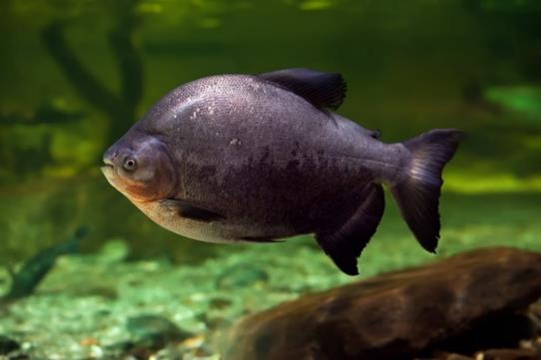
NAME : Black Pacu
NAME OF THE SPECIE: Black Pacu
LOCATION : Tropical South America, mainly the Amazon and Orinoco River basins.
HABITAT: Black Pacu live in freshwater floodplains, blackwater areas and flooded forests. Adults move into flooded forests during the rainy season.
HABITAT (15-20 words): It inhabits tropical freshwater floodplains, blackwater lakes and flooded forests, moving into forest areas during seasonal flooding.
WEIGHT: Size: Up to 108 cm
DIET: Fruits, grains, insects, snails, seeds, detritus and plant matter.
FOOD: Omnivorous
FOOD & DIET: It is an omnivore that eats fruits, grains, insects, snails, seeds, detritus and other plant material.
FACT: Black Pacu is also called Tambaqui and is the largest characin found in South America.
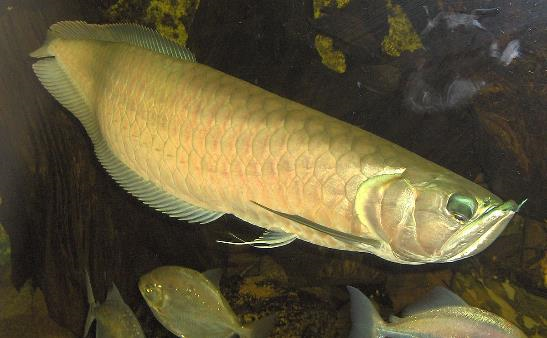
NAME : Silver Arawana
NAME OF THE SPECIE: Silver Arawana
LOCATION : Amazon region of South America, including Brazil, Peru, Colombia, Bolivia, Ecuador, Guyana and Venezuela.
HABITAT: It occurs in blackwater and whitewater floodplains, flooded forests, lagoons and marginal river areas.
HABITAT (15-20 words): It lives in Amazonian floodplains, blackwater and whitewater habitats, flooded forests, lagoons and shallow river margins.
WEIGHT: Size: Up to 90 cm Weight: Up to 6 kg.
DIET: Fish, insects, crustaceans, small vertebrates and terrestrial animals.
FOOD: Omnivorous with a strong tendency toward carnivory.
FOOD & DIET: It mainly hunts fish and insects near the surface, and can leap from water to catch terrestrial prey.
FACT: The male carries eggs and young inside his mouth for nearly six weeks.
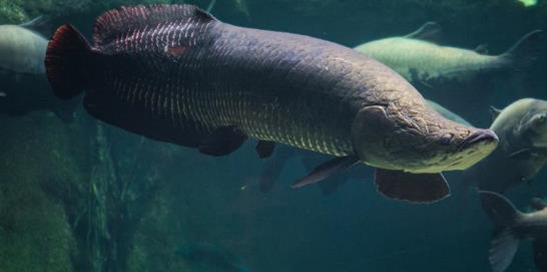
NAME : Arapaima
NAME OF THE SPECIE: Arapaima
LOCATION : Found in basin of Amazon River
HABITAT: The exact habitat of these fish is unknown. It has been reported to be in the Essequibo basins and fossils have been found in the Rio Magdelena basin in Colombia. These fish have been most recently been introduced in Eastern Asia
HABITAT (15-20 words): It inhabits tropical Amazonian rivers, lakes and floodplains, moving between flooded areas and deeper waters as water levels change.
WEIGHT: UPTO 300 CM. UPTO 200 KG
DIET: Fish, crustaceans, mollusks, insects and occasionally small terrestrial animals.
FOOD: The Arapaima are carnivores, a predator that mainly eats other fish. They will also eat animals or birds if they are near by. They are known to jump out of the water to snatch a small bird off of low-hanging tree branches. In captivity they can be fed smaller fish, chopped up meaty foods, crustaceans, pellets, and prepared foods such as krill and plankton.
FOOD & DIET: The Arapaima are a [predatory species and feed on fish, animals and even birds if they are nearby.
FACT: They are fast growers and powerful swimmers. They are a predator that mainly eats other fish. They will also jump out of the water to snatch small birds from low hanging tree branches. Because of their large size and food requirements, they are not really a good choice as a home pet for most aquarists.Largest fresh water fish in the world.
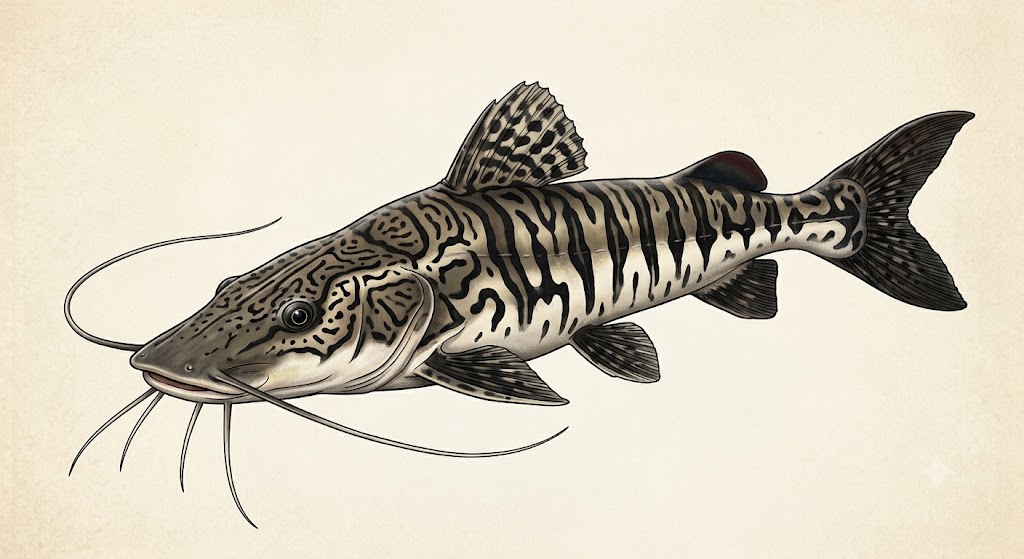
NAME : Barred Catfish / Tiger Shovelnose Catfish
NAME OF THE SPECIE: Barred Catfish / Tiger Shovelnose Catfish
LOCATION : Ecuador, Colombia, Venezuela, Guyana, Suriname, French Guiana, Peru, Bolivia, Brazil and Argentina.
HABITAT: Large rivers, lakes and flooded forests; adults commonly occur in river channels and shaded areas.
HABITAT (15-20 words): It inhabits large rivers, lakes and flooded forests, often preferring shaded and relatively slow-moving river habitats.
WEIGHT: Size: Up to 170 cm according to the Gujarat Science City profile. Weight: Up to 70 kg.
DIET: Fish, prawns, mussels, cockles, lancefish and earthworms.
FOOD: Piscivorous (fish-eating predator).
FOOD & DIET: It is mainly piscivorous, feeding on fish and other meaty prey such as prawns, mussels and earthworms.
FACT: An estimated 8 million eggs can be produced per kilogram of fish.
વૈજ્ઞાનિક નામ : Colossoma macropomum
જાતિનું નામ: બ્લેક પેકુ / ટેમ્બાકી
સ્થાન: આ માછલી મુખ્યત્વે ઉષ્ણકટિબંધીય દક્ષિણ અમેરિકા, Amazon અને Orinoco નદીના basinમાં જોવા મળે છે.
લંબાઈ અને વજન: કદ: 108 cm સુધી
ખોરાક: સર્વભક્ષી (Omnivorous).
ખોરાક (વૈકલ્પિક) આહાર : તે સર્વભક્ષી માછલી છે જે ફળો, અનાજ, insects, snails, seeds, detritus અને અન્ય વનસ્પતિ ખાય છે.
વિશેષતા: Black Pacuને Tambaqui પણ કહેવામાં આવે છે અને તે South Americaની સૌથી મોટી characin માછલી છે.
વૈજ્ઞાનિક નામ : Osteoglossum bicirrhosum
જાતિનું નામ: સિલ્વર અરોવાના
સ્થાન: આ માછલી South Americaના Amazon વિસ્તારમાં, ખાસ કરીને Brazil, Peru, Colombia અને આસપાસના દેશોમાં જોવા મળે છે.
લંબાઈ અને વજન: કદ: 90 cm સુધી વજન: 6 kg સુધી.
ખોરાક: સર્વભક્ષી, પરંતુ તેના આહારમાં મांसાહારી ખોરાકનું પ્રમાણ વધારે છે.
ખોરાક (વૈકલ્પિક) આહાર : તે મુખ્યત્વે માછલીઓ અને insects ખાય છે અને પાણીમાંથી કૂદીને જમીન પરના નાના જીવો પણ પકડી શકે છે.
વિશેષતા: આ speciesમાં નર માછલી eggs અને નાના બચ્ચાંને પોતાના મોઢામાં રાખીને તેમની સંભાળ રાખે છે.
વૈજ્ઞાનિક નામ : Arapaima gigas
જાતિનું નામ: અરાપાઇમા / પિરારુકુ
સ્થાન: આ માછલી South Americaના Amazon River Basinમાં જોવા મળે છે.
લંબાઈ અને વજન: UPTO 300 CM. UPTO 200 KG
ખોરાક: માંસાહારી predator.
ખોરાક (વૈકલ્પિક) આહાર : તે મુખ્યત્વે માછલીઓ ખાય છે, પરંતુ crustaceans, mollusks, insects અને ક્યારેક નાના aquatic તથા terrestrial જીવો પણ ખાય છે.
વિશેષતા: Arapaima એક obligate air-breather છે અને પાણીની સપાટી પર આવીને atmospheric oxygen શ્વાસમાં લે છે.
વૈજ્ઞાનિક નામ : Pseudoplatystoma fasciatum
જાતિનું નામ: બાર્ડ કેટફિશ / ટાઇગર શોવેલનોઝ કેટફિશ
સ્થાન: Ecuador, Colombia, Venezuela, Guyana, Suriname, French Guiana, Peru, Bolivia, Brazil અને Argentinaમાં જોવા મળે છે.
લંબાઈ અને વજન: કદ: 170 cm સુધી વજન: 70 kg સુધી.
ખોરાક: Piscivorous — મુખ્યત્વે માછલી ખાનાર predator.
ખોરાક (વૈકલ્પિક) આહાર : તે મુખ્યત્વે માછલીઓ ખાય છે અને prawns, mussels તથા earthworms જેવા અન્ય માંસાહારી ખોરાક પણ લે છે.
વિશેષતા: એક kilogram માછલીમાં અંદાજે 80 લાખ eggs ઉત્પન્ન કરવાની ક્ષમતા હોવાનું નોંધાયું છે.
वैज्ञानिक नाम : Colossoma macropomum
जाति का नाम : ब्लैक पाकू / ताम्बाकी
जगह: यह मुख्य रूप से उष्णकटिबंधीय दक्षिण अमेरिका के Amazon और Orinoco नदी बेसिन में पाई जाती है।
लंबाई और वजन: आकार: 108 cm तक
खाना: सर्वाहारी (Omnivorous).
भोजन (वैकल्पिक) आहार: यह सर्वाहारी मछली है जो फल, अनाज, insects, snails, seeds, detritus और plant material खाती है।
विशेषता: Black Pacu को Tambaqui भी कहा जाता है और यह South America की सबसे बड़ी characin मछली है।
वैज्ञानिक नाम : Osteoglossum bicirrhosum
जाति का नाम : सिल्वर अरोवाना
जगह: यह South America के Amazon क्षेत्र में, विशेष रूप से Brazil, Peru, Colombia और आसपास के देशों में पाई जाती है।
लंबाई और वजन: आकार: 90 cm तक वजन: 6 kg तक।
खाना: सर्वाहारी, लेकिन इसका आहार मुख्य रूप से मांसाहारी होता है।
भोजन (वैकल्पिक) आहार: यह मुख्य रूप से मछलियाँ और insects खाती है तथा पानी से छलांग लगाकर जमीन के छोटे जीव पकड़ सकती है।
विशेषता: इस species में नर मछली eggs और छोटे बच्चों को अपने मुंह में रखकर उनकी देखभाल करता है।
वैज्ञानिक नाम : Arapaima gigas
जाति का नाम : अरापाइमा / पिरारुकु
जगह: यह South America के Amazon River Basin में पाई जाती है।
लंबाई और वजन: UPTO 300 CM. UPTO 200 KG
खाना: मांसाहारी predator.
भोजन (वैकल्पिक) आहार: यह मुख्य रूप से मछलियाँ खाती है, लेकिन crustaceans, mollusks, insects और कभी-कभी छोटे जलीय या स्थलीय जीव भी खाती है।
विशेषता: अरपाइमा दुनिया भर में ताजे पानी में पाई जाने वाली सबसे बड़ी मछली होती है और इन्हें कम ऊँचाई वाले पेड़ों की शाखाओं पर बैठी चिड़ियाँ को खाने के लिए पानी से बाहर भी कूद जाने के लिए जाना जाता हैं। बड़े आकार और भोजन की इनकी आवश्यकता के कारण इन्हें घर में पाले जाने के लिए बेहतर नहीं समझा जाता।
वैज्ञानिक नाम : Pseudoplatystoma fasciatum
जाति का नाम : बार्ड कैटफिश / टाइगर शोवेल्नोज कैटफिश
जगह: Ecuador, Colombia, Venezuela, Guyana, Suriname, French Guiana, Peru, Bolivia, Brazil और Argentina में पाई जाती है।
लंबाई और वजन: आकार: 170 cm तक वजन: 70 kg तक।
खाना: Piscivorous — मुख्य रूप से मछली खाने वाली।
भोजन (वैकल्पिक) आहार: यह मुख्य रूप से मछलियाँ खाती है तथा prawns, mussels और earthworms जैसे अन्य मांसल भोजन भी खाती है।
विशेषता: एक kilogram मछली में लगभग 80 लाख eggs होने की अनुमानित क्षमता बताई गई है।